Tree Roots in Your Sewer Line? Sewer Root Removal in Chicago
If your basement floor drain gurgles, the toilet backs up when the washer drains, or the same clog keeps coming back, tree roots in your sewer line are one of the most likely causes in Chicago. Roots slip into small cracks and loose joints, then grow into a dense mat that catches paper, grease, and waste until the line stops flowing.
Rodding Rooter cuts those roots out, cleans the pipe, and shows you what’s left, so you know whether you need routine maintenance or a sewer camera inspection before any repair. Our team has been handling this kind of work for more than 20 years.
How Tree Roots Get Into Chicago Sewer Lines
Your sewer line is warm, moist, and full of nutrients, which is exactly what a thirsty root is looking for. Roots rarely break a sound pipe. Instead, they follow the vapor escaping from a hairline crack or a loose joint, slip inside as fine threads, and thicken over time. Once inside, they spread across the pipe like a net.
Chicago’s housing stock makes this especially common. Many older homes still drain through clay tile or cast-iron sewer pipe, laid in short sections with a joint every few feet. Each joint is a possible entry point. Add mature backyard trees and the city’s parkway trees (the City of Chicago Bureau of Forestry maintains more than 500,000 of them), and it’s easy to see why roots in sewer pipes are such a frequent problem here.
Warning Signs of Roots in Your Sewer Pipe
- Slow drains throughout the house, not just at one fixture
- Gurgling from toilets or the basement floor drain when water runs elsewhere
- Sewer backups that return every few months, even after the line was cleared
- Water rising from the floor drain when the washing machine empties
- Sewage odor near the floor drain or the outdoor cleanout
- An unusually green, lush strip of lawn above the sewer route
One slow sink is usually a branch-drain clog. Several fixtures acting up at once points to the main line, and in older Chicago homes, roots are one of the first things we check for.
Our Sewer Root Removal Process
Root removal isn’t a one-pass job. We cut the roots, clean the pipe, and confirm the result, so you’re not paying for a guess. Here’s how a typical visit works.
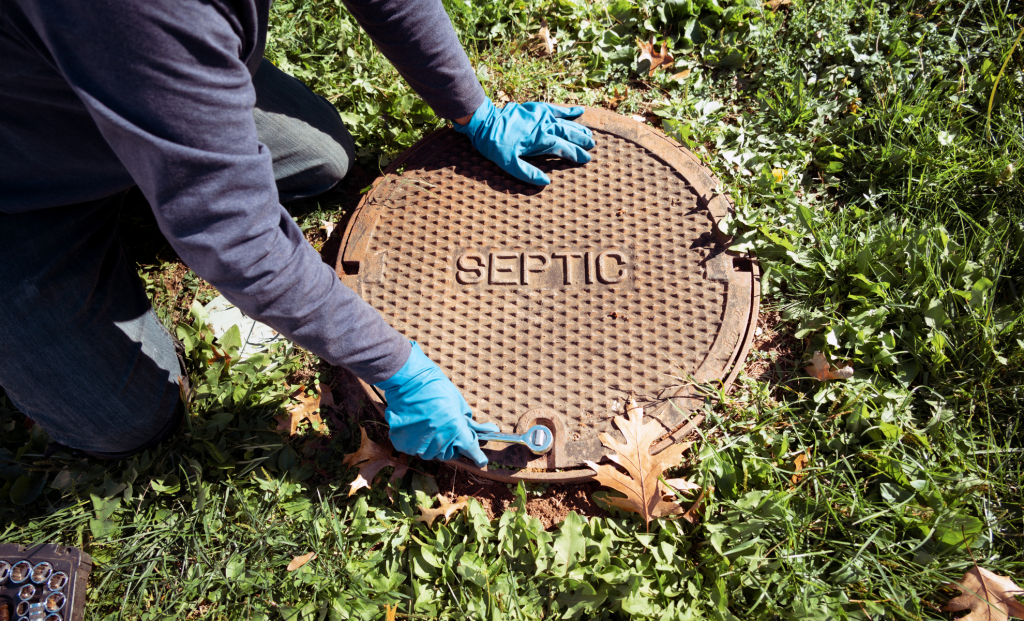
1. Access the cleanout
We ask about your symptoms, find the best cleanout (inside, in the basement, or outdoors), and confirm whether the blockage is in the main line.
2. Cut the roots
A motorized rodding machine drives a steel cable fitted with a root-cutting head through the line, slicing through the root mass and reopening flow.
3. Jet the pipe clean
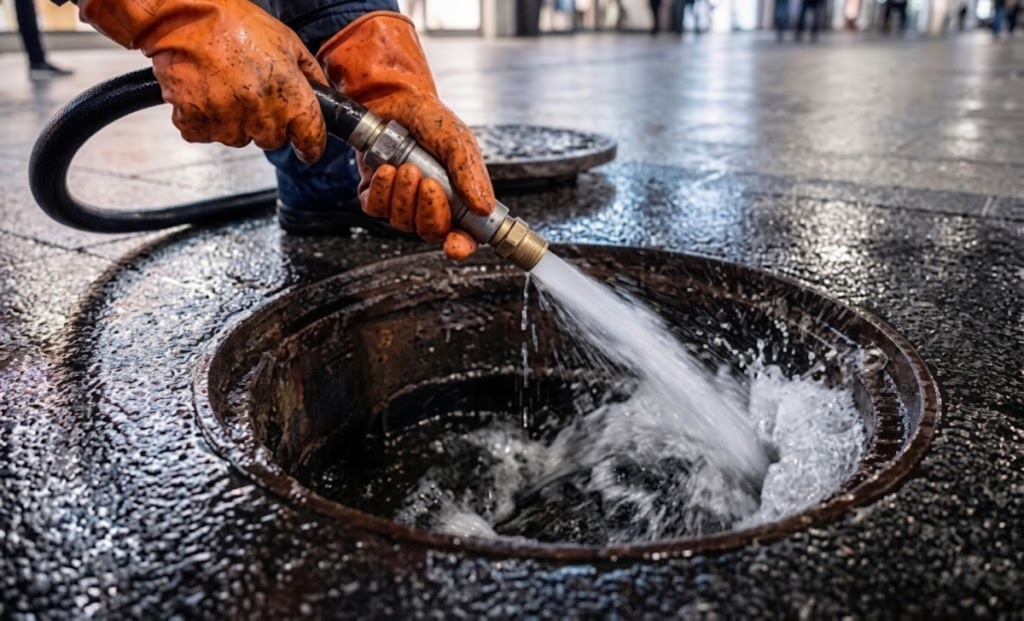
When roots are dense or the pipe is coated in grease, hydro jetting flushes out cut root fragments and debris that a cable can leave behind.
4. Verify on camera
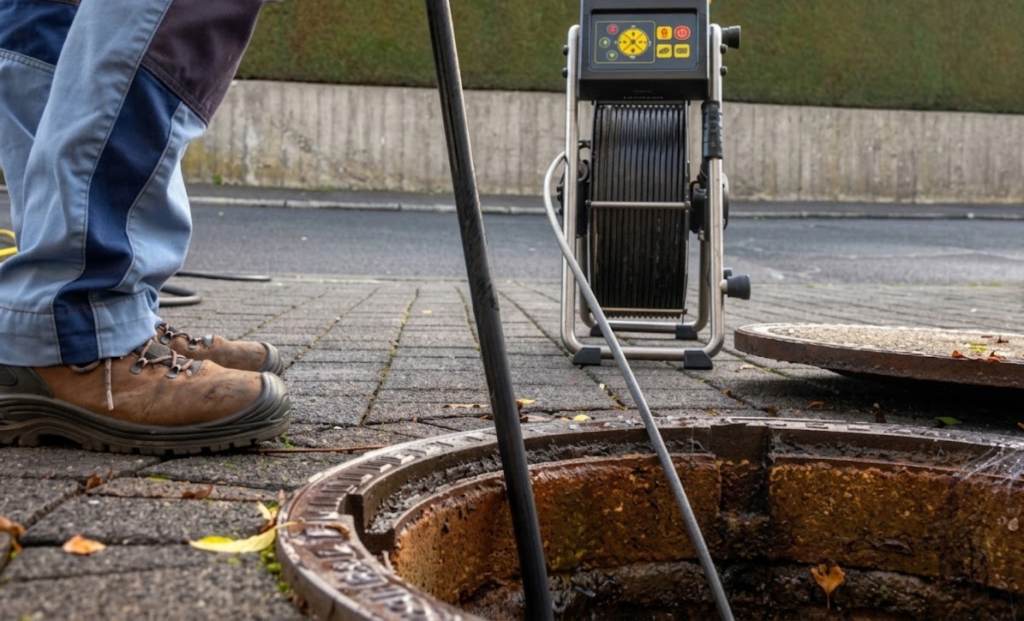
A camera inspection shows whether the roots are cleared and where they got in, including any cracked, offset, or broken sections.
5. Plan what's next
We explain what we found and recommend a maintenance schedule, a root-control product, or a repair, with an estimate before any further work.
What Our Sewer Root Cutting Service Includes
Every visit is built around one goal: getting your line flowing and telling you honestly how long it’s likely to stay that way.
- Mechanical sewer root cutting with sewer rodding equipment matched to your pipe size and material
- High-pressure water cleaning through our hydro jetting service when roots and grease need to be flushed from the pipe walls
- Video verification of the line after cleaning, so you see the result instead of taking our word for it
- Clear findings on where the roots entered, how heavy the growth was, and the condition of the pipe
- Prevention advice on maintenance intervals and whether a root killer makes sense for your line
Root Cutting, Hydro Jetting, or Root Killer: What Works?
Homeowners often ask whether they can skip the service call and pour a root killer down the toilet. Chemical products can slow regrowth, but they aren’t designed to open a line that’s already blocked. Here’s how the main options compare.
| Option | Best for | Limits |
|---|---|---|
| Root cutting (rodding) | Opening a blocked line quickly | Roots can regrow from the entry point |
| Hydro jetting | Flushing fine roots, grease, and debris from pipe walls | Pipe should be in reasonable condition |
| Root killer for sewer lines | Slowing regrowth after the line is cleared | Won’t clear a blockage; use only as labeled |
| Sewer line repair | Broken, collapsed, or badly offset pipe | Bigger project; planned after a camera inspection |
According to the University of Washington’s Elisabeth C. Miller Library, neither mechanical root removal nor copper sulfate treatment is a permanent fix, and copper sulfate can corrode chrome, iron, and brass. That’s why we match the method to what the camera shows.
Benefits of Removing Sewer Roots Early
Roots keep growing, so the longer they stay, the harder they are to clear. Cutting them out early helps you:
- Prevent basement sewer backups that damage flooring, walls, and stored belongings
- Reduce stress on older pipe, since expanding roots can widen cracks and push joints apart
- Restore full flow to every fixture on the main line at once
- Catch structural problems early, while a repair can still be planned instead of rushed
- Set a realistic maintenance schedule based on what’s actually in your line
We handle root removal for single-family homes, two- and three-flats, multi-unit buildings, and commercial plumbing customers such as restaurants, offices, and storefronts. If you also have slow fixtures inside the house, our drain cleaning and clog removal team can take care of those on the same visit.
Why Chicago Property Owners Choose Rodding Rooter
20+ years of experience
Our team has been clearing Chicago drain and sewer lines for more than two decades. Learn more about Rodding Rooter.
Honest, upfront pricing
You get a clear estimate before we start, with no hidden charges or surprise bills.
Camera-backed answers
We don’t guess about roots. A camera inspection shows exactly what’s in the line and where it got in.
Fast same-day service
Call early and we can often be at your door the same day to get the line moving.
Help when it's urgent
Sewer backups don’t keep business hours. For a line that’s backing up now, call our 24/7 emergency plumbing team.
Sewer Root Removal Across Chicago
Rodding Rooter provides tree root removal for sewer lines throughout Chicago and the surrounding area. We regularly work on the older systems the city is known for, where clay tile pipe and mature trees share the same ground under yards, gangways, and parkways. Clay pipe roots are one of the most common reasons Chicago homes with original sewer lines need routine sewer cleaning.
If a parkway tree is involved, don’t cut or remove it yourself. The City maintains parkway trees and issues permits for any work involving them, so contact 311 about the tree and call us about the pipe.
Schedule Sewer Root Removal in Chicago
Roots don’t stop growing, and a partial clog can turn into a full backup with little warning. Rodding Rooter will cut the roots out of your sewer line, clean the pipe, and give you a straight answer about what comes next. Call (773) 588-1200 or send us your details online to book root removal.
Tree Roots in Sewer Line FAQs
Repeated backups, gurgling drains, and slow drainage at several fixtures are common signs. A sewer camera inspection is the only reliable way to confirm roots and see where they enter the pipe.
A technician feeds a motorized cable with a root-cutting head through the cleanout to slice through the roots. Hydro jetting can then flush out remaining fragments, and a camera confirms the line is clear.
Usually, yes. Cutting removes the roots inside the pipe, but the crack or loose joint they came through remains. Many older homes schedule maintenance cleaning, and repairing the entry point is the long-term fix.
Root control products can slow regrowth after a line has been cleared, but they won't open an existing blockage. Use them only as labeled, since some ingredients, such as copper sulfate, can corrode metal plumbing.
The price depends on cleanout access, line length, how dense the roots are, and whether jetting or a camera inspection is needed. We give you a clear estimate before any work starts.
Yes. Clay tile pipe is laid in short sections with many joints, and each joint can let in moisture and roots. That's why clay pipe roots are so common in older Chicago homes.
Don't prune or remove the tree yourself. Chicago's parkway trees are maintained by the Bureau of Forestry, and tree work requires a city permit. Contact 311 about the tree, and we can clear the roots from your sewer line.
Many residential root cutting jobs are finished in a single visit. Heavy root masses, long lines, or added jetting and camera work can extend the time.