Hydro Jetting in Chicago: High-Pressure Drain and Sewer Cleaning
You’ve had the same drain rodded twice this year, and it’s slowing down again. That usually means the clog was never fully removed. A cable punches a hole through a blockage, but the grease, scale and root hairs stay stuck to the pipe walls. Rodding Rooter’s hydro jetting in Chicago uses a high-pressure stream of water to scrub the whole inside of the pipe and wash that buildup out.
We jet kitchen lines, main sewer lines and commercial drains for homeowners, landlords and businesses across the city. Call for same-day service. You’ll get an honest estimate before any work begins.
What hydro jetting is, and how it works
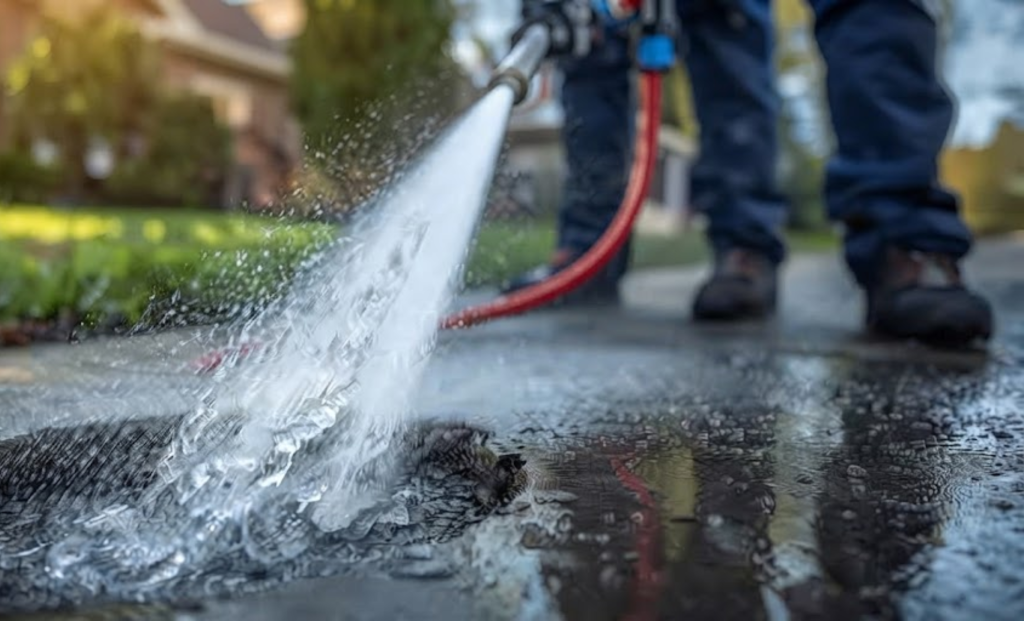
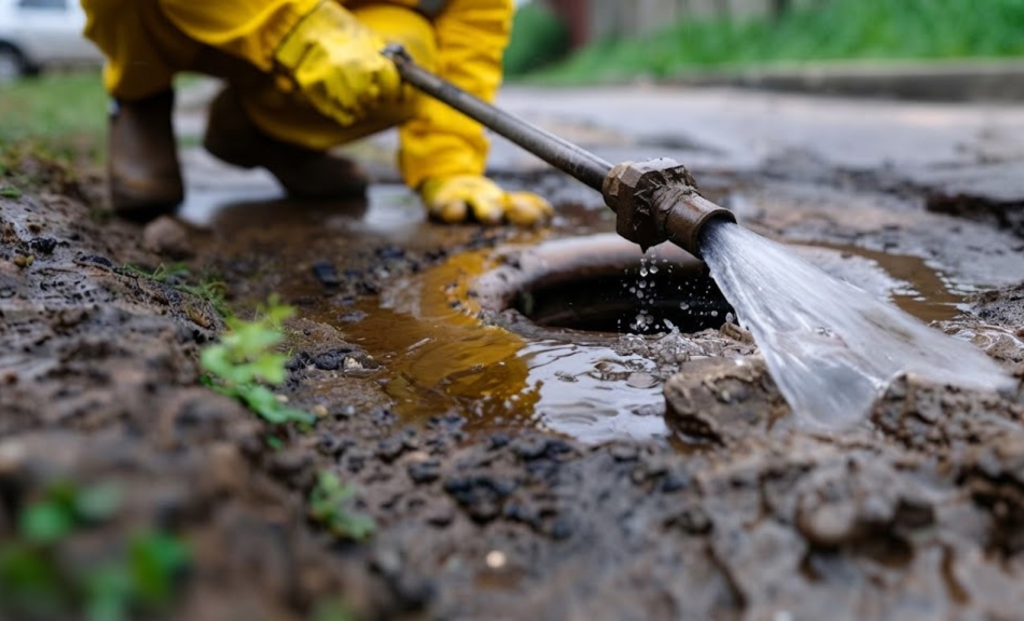
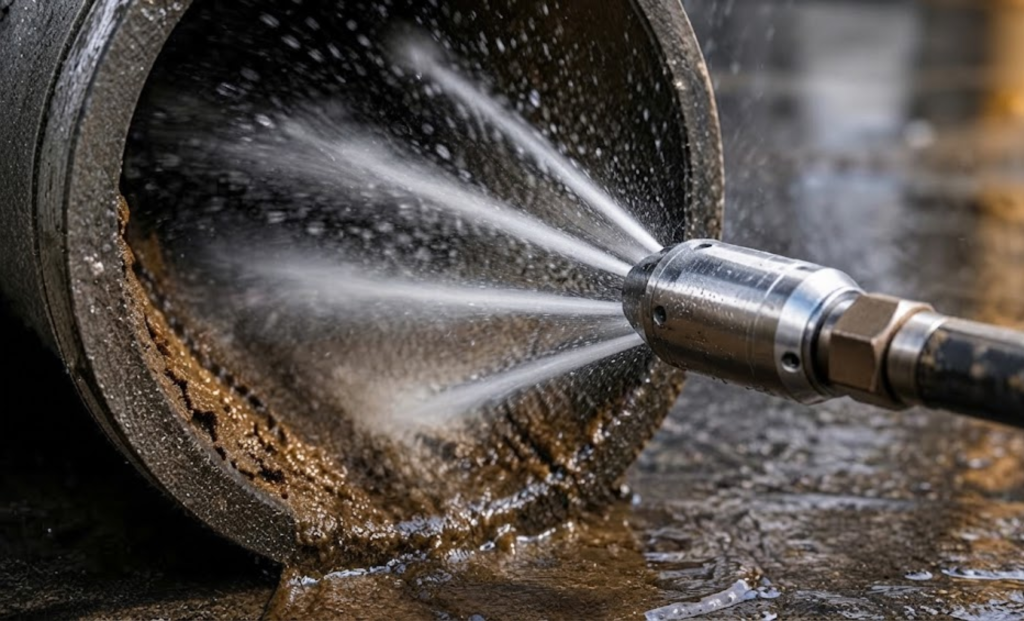
Hydro jetting is a high-pressure way of cleaning pipes. The technician feeds a reinforced hose into the line through a cleanout, then pumps water through a special nozzle at thousands of pounds per square inch. Jets facing backward pull the hose forward while spraying against the pipe walls. The water breaks up the blockage, then scrubs the pipe clean as the hose is drawn back out.
The big difference from our drain rodding service is what gets left behind. A rodding cable opens a path through the clog, and that’s often the right first move. Jetting takes off the coating of grease, sludge, soap scum and mineral scale that caused the clog to begin with. For one slow sink, regular drain cleaning is usually enough. For a line that keeps backing up, jetting is the longer-lasting fix.
It’s especially useful here. Many Chicago homes and two-flats still drain through older clay or cast-iron sewer pipe, where rough walls grab grease and give roots something to hold. Restaurants and apartment buildings add heavy grease loads on top.
Signs a line needs jetting
- The same drain clogs again within weeks or months of being rodded
- A kitchen sink backs up with gray, greasy sludge
- Water rises from the basement floor drain when the washer or dishwasher empties
- A camera shows grease, scale or fine root growth along the pipe
- Several fixtures drain slowly at once
- Sewer odors linger even after the line was cleared
One clog is a problem. The same clog coming back is a pattern, and jetting is built to break it.
What the service covers
Grease clogs
Kitchen lines in homes and restaurants collect cooking grease that cools, hardens and narrows the pipe. We jet the line from wall to wall so it drains properly, and not just until the next big meal.
Sewer lines with roots and sludge
For main lines, we jet from the cleanout toward the city connection to clear sludge, scale and root intrusion. Thick, woody roots may need a pass with a sewer rodding cutting head first, then jetting to wash the line clean.
Scale in cast-iron pipe
Older cast iron develops rough scale that catches waste. Controlled jetting removes the loose buildup and restores flow. If the pipe itself is failing, we’ll tell you before going any further.
Camera before and after
A camera pass before and after jetting shows what was in the line and confirms it’s clear. It also records any cracks or sags that may need repair.
Why choose jetting over another round of rodding
Compared with more rodding or a bottle of chemical opener, hydro jetting gives you a few things:
Results that last. Scouring the whole pipe wall removes the buildup new clogs cling to.
Grease that’s actually gone. Water pressure breaks up hardened grease that a cable only slices through.
Root control. Jetting flushes out fine root hairs and the debris they trap.
No harsh chemicals. It’s only water, so nothing caustic stays in your pipes or on your basement floor.
Fewer emergency calls. A clean line is a lot less likely to back up on a holiday weekend or in the middle of a dinner rush.
Jetting is also a good step before deciding on a repair. A clean pipe gives the camera a clear view, so you see the true condition of the line and not just sludge.
What affects the cost of hydro jetting in Chicago
We don’t quote a flat price over the phone, since no two lines are alike. These are the things that shape the cost:
| Factor | Why it matters |
|---|---|
| Line type and length | One kitchen branch is a smaller job than a full main sewer run to the street. |
| Cleanout access | An open, reachable cleanout saves setup time. With no cleanout, there’s extra work to reach the line. |
| Type of buildup | Soft sludge clears faster than hard grease, heavy scale or dense roots. |
| Pipe condition | Damaged pipe may need a camera look or a repair before jetting is safe. |
| Camera inspection | Before-and-after footage takes time but confirms the result. |
You get an honest estimate before work starts, with no hidden charges. If a line has needed rodding every few months, it’s worth comparing the cost of one thorough jetting against all those repeat visits.
How a jetting job goes
Jetting is powerful, so we don’t start the machine until we know what the pipe can handle. Every job follows the same five steps.
1. Look first
If we don’t know the condition of the line, we run a sewer camera to find the blockage, confirm the pipe material and check for cracks, offsets or breaks before any pressure goes in.
2. Set up at the cleanout
We connect at the nearest cleanout, protect the work area, and choose the nozzle and pressure that suit your pipe size and the kind of buildup.
3. Jet the line
The hose moves up the line while the jets cut through grease, sludge, scale and root hairs and flush the debris downstream and out of your system.
4. Check the result
We run water through the system and, when needed, make a second camera pass to confirm the pipe walls are clean and the flow is back to full.
5. Plan what's next
We tell you what we found and whether the line needs a repair or just a periodic jetting to stay clear.
Jetting for homes, buildings and businesses
Rodding Rooter Chicago provides hydro jetting for:
- Single-family homes, two-flats and three-flats
- Apartment and condo buildings
- Restaurants, cafés and commercial kitchens
- Offices, shops and other commercial properties
For food businesses, grease is the biggest threat. The EPA’s fact sheet on controlling fats, oils and grease from food service establishments reports it as the most common cause of reported sewer blockages. Scheduled jetting, paired with regular grease trap cleaning, helps keep kitchen lines open between inspections.
If your basement only backs up in heavy storms, the cause may be the city’s combined sewer system and not your own line. The City explains this on its flooding prevention page. We’ll help you work out which one you have.
Why people choose us for hydro jetting
We look before we blast
We check the pipe before we put pressure in it, so older clay and cast-iron lines get treated the right way.
The price comes first
You know the cost before we start. No hidden charges, no surprise bills.
Rodding and jetting from one crew
We match the method to the problem, whether that’s rodding, jetting, or both on the same visit.
Careful, clean work
We protect the area around the cleanout and leave your space as clean as we found it.
Same-day service
Backups don’t wait, so we work to get someone to you the day you call.
Book hydro jetting in Chicago
A drain that keeps clogging is telling you the pipe walls need cleaning, not another quick fix. Our jetting clears grease, sludge, scale and roots from the full width of your line, so the result lasts. Call (773) 588-1200 or use the contact form to describe what’s going on, and we’ll suggest jetting only if your line really needs it.
Want to know more first? Read about our team or browse our services.
Hydro jetting questions
It's a way of cleaning drains and sewer lines by sending water through a special nozzle at high pressure. The water breaks up clogs and scrubs grease, sludge, scale and roots from the inside of the pipe.
It depends on the line (branch drain or main sewer), how easy the cleanout is to reach, the kind of buildup, the condition of the pipe, and whether a camera inspection is needed. We give you an honest estimate before any work begins, with no hidden charges.
They solve different problems. Rodding punches through a blockage and is a quick first step. Jetting cleans the whole pipe wall, which makes it better for recurring clogs, heavy grease and fine roots. Some lines need both.
It's safe for pipe in sound condition when the pressure and nozzle are matched to the line, which is why we inspect first. If a camera shows a cracked, collapsed or badly offset pipe, we'll recommend a repair instead of jetting.
Yes. Jetting clears fine roots and the debris they trap. Dense, woody root masses are usually cut with a rodding head first, then jetted clean. Roots can grow back through the same joints, so ongoing maintenance or a repair may be needed.
Many home jobs are done in one visit. It depends on the length of the line, how easy the cleanout is to reach, and how much buildup is in the pipe.
It depends on how it's used. Homes with repeat clogs may benefit from occasional jetting, while restaurants and commercial kitchens with heavy grease often need a regular schedule. We suggest an interval based on what the camera shows.
Yes. We provide hydro jetting and commercial plumbing for restaurants, offices, shops and apartment buildings in Chicago, including grease removal from kitchen lines.
Yes. Call (773) 588-1200 and we'll work to get someone to you the same day, especially if a backup is keeping you from using water.