Grease Trap Cleaning in Chicago for Restaurants & Commercial Kitchens
A grease trap that goes too long between cleanings doesn’t fail quietly. Drains slow during the dinner rush, odors drift into the dining room, and grease escapes into the building’s sewer line. Rodding Rooter provides grease trap cleaning in Chicago for restaurants, cafeterias, and commercial kitchens that need their traps, interceptors, and kitchen lines kept clean, flowing, and ready for inspection.
Our Chicago plumbing team brings more than 20 years of experience, professional rodding and hydro jetting equipment, and an honest estimate before any work begins. Call for same-day service, or set up recurring grease trap service around your operating hours.
What Grease Trap Cleaning Involves and Why Chicago Kitchens Need It
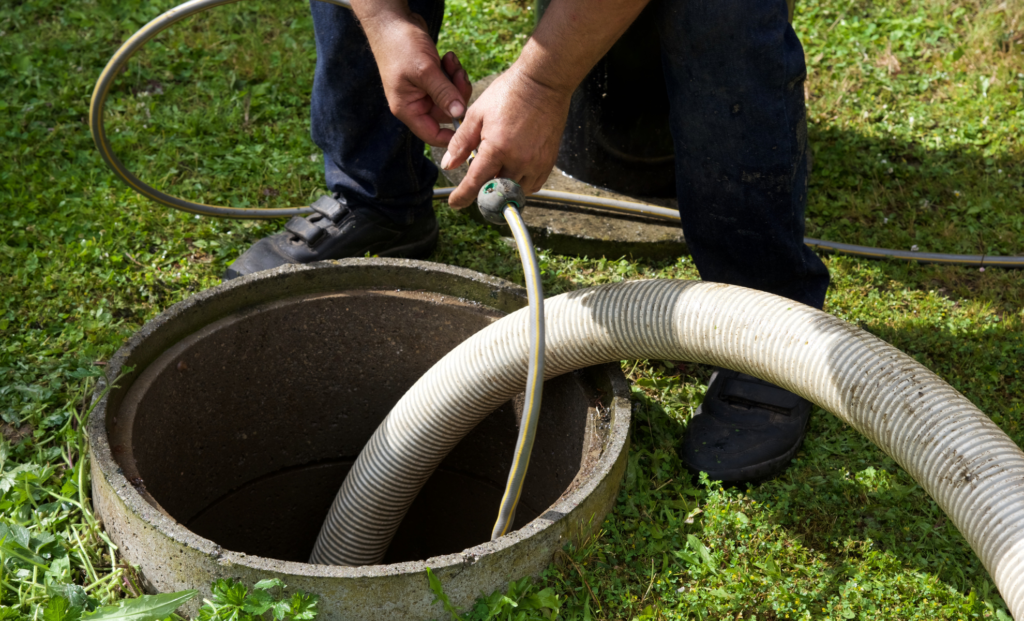
A grease trap, also called a grease interceptor, sits between your kitchen fixtures and the sewer. Wastewater from sinks, dish machines, and floor sinks slows down inside the unit. Fats, oils, and grease (FOG) float to the top, food solids settle to the bottom, and cleaner water exits to the sewer. That system only works while the trap has room. Once grease and solids take up too much of the tank, grease passes straight through into your plumbing.
Grease trap cleaning removes the built-up FOG and sludge, scrapes the walls and baffles, and confirms the inlet and outlet are open. In Chicago, the plumbing code requires a grease interceptor or outside catch basin for kitchen wastes in every commercial kitchen and in multiple dwelling buildings with more than six units. A U.S. EPA fact sheet for food service establishments identifies grease as the most common cause of reported sewer blockages. A regular cleaning schedule protects your kitchen, your building, and the public sewer downstream.
Warning Signs Your Grease Trap Is Overdue for Cleaning
- Kitchen sinks, prep sinks, or the dish machine drain slowly
- A rancid or sewer-like odor near the trap, floor sinks, or dining area
- Water backs up into floor drains when the dish machine empties
- Grease is visible at the trap lid, a cleanout, or a nearby floor drain
- The same kitchen line clogs again within weeks of being cleared
- Nobody on staff knows when the trap was last pumped or cleaned
Any one of these usually means the trap is near capacity. Scheduling service now costs far less than a backup that shuts the kitchen down mid-shift.
Our Grease Trap Cleaning Process
Commercial kitchens can’t stop for a plumbing visit, so we plan every grease trap service around your hours and your equipment. Each visit follows the same five steps. That gives you a consistent result and a clear picture of your trap’s condition over time.
Schedule around service
Tell us your trap type, where it is located, and your operating hours. We plan the visit before opening, between shifts, or after close whenever the job allows.
Inspect and measure
We open the trap, check the depth of the grease layer and settled solids, and look at the baffles, lid, and gaskets for wear or damage.
Remove grease and solids
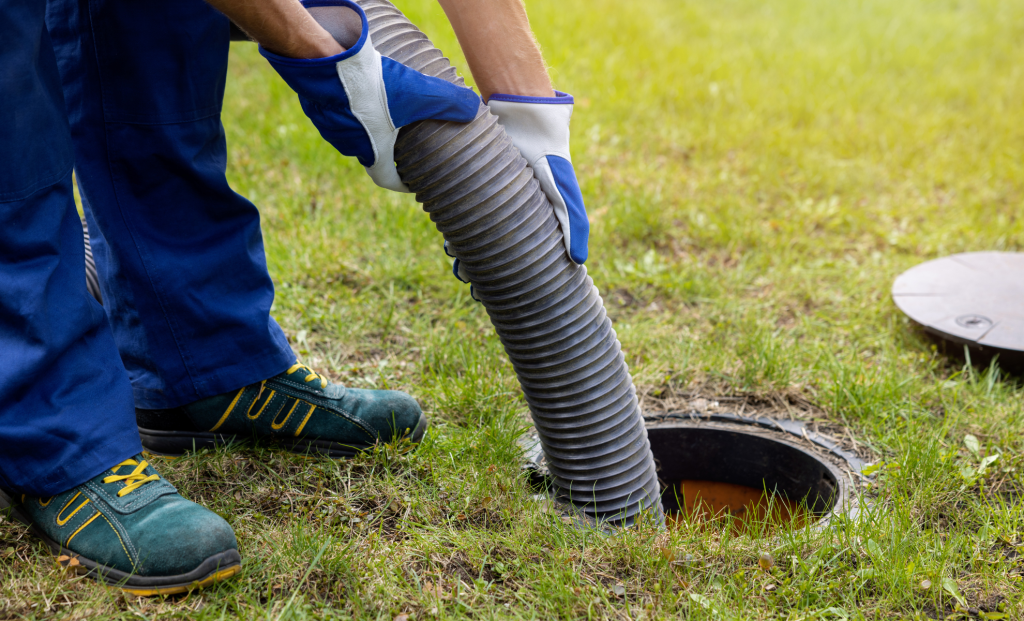
We pump or remove the floating FOG, settled food solids, and gray water, then scrape the walls and baffles so the trap returns to full working capacity.
Clear the connected lines
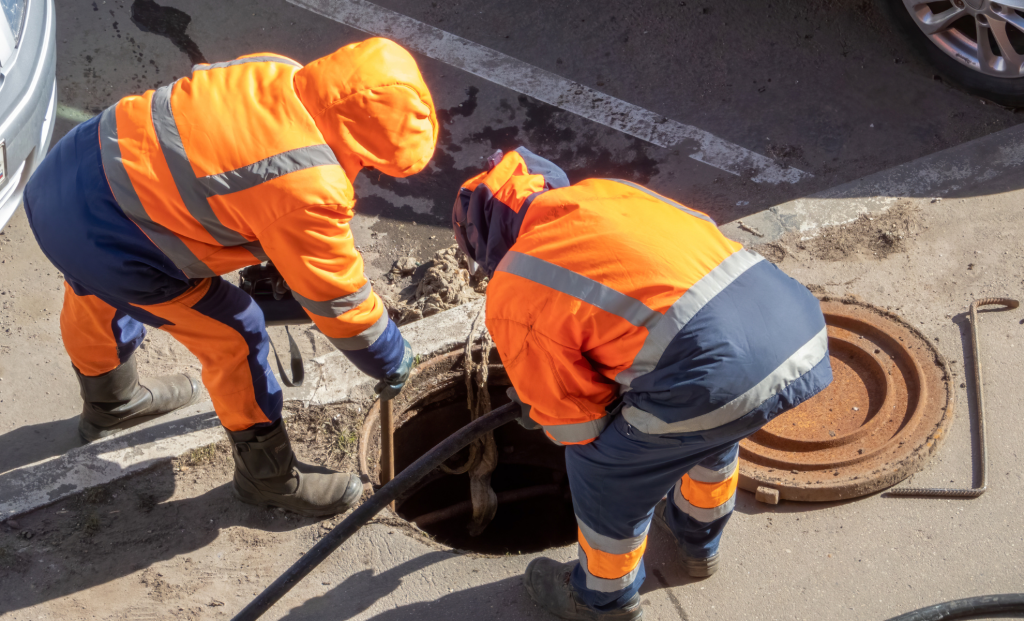
If the inlet or outlet line is sluggish, we rod or hydro jet it, so grease that already slipped past the trap doesn’t cause the next backup.
Verify and report
We run water through the fixtures to confirm full flow, then explain what we found in plain language you can add to your maintenance records.
Grease Interceptor Cleaning and Grease Trap Pumping
Not every kitchen has the same equipment, and the service changes with the size of the unit. Here is how the two most common setups compare:
| Feature | Grease trap | Grease interceptor |
|---|---|---|
| Typical location | Under or beside a sink, indoors | In the floor or buried outside the building |
| Size | Smaller, serves one or a few fixtures | Larger, often serves the entire kitchen |
| Cleaning method | Manual removal of grease and solids | Pumping out the full tank contents |
| Service interval | More frequent, because capacity is small | Less frequent, based on kitchen volume |
Grease trap pumping empties the entire contents of the tank, not just the floating layer, so the unit starts fresh. When you call, tell us the size and location of your interceptor and when it was last serviced. We will confirm what the job requires, including access, pump-out, and disposal, and give you an estimate before we schedule the work.
What Our Restaurant Grease Trap Cleaning Includes
Grease problems rarely stop at the trap. Our restaurant grease trap cleaning covers the trap and the kitchen plumbing around it, so you are not paying for a clean trap that still drains into a clogged line.
Under-sink grease trap cleaning. Small indoor traps under three-compartment and prep sinks, cleaned out and checked for a tight lid seal.
Grease interceptor cleaning. Larger in-floor and outdoor units that serve the whole kitchen, with grease and sludge removed and baffles cleaned.
Kitchen line rodding. Motorized commercial drain cleaning for the sink, dish machine, and floor sink lines that feed the trap.
Hydro jetting. High-pressure hydro jetting in Chicago to scour hardened grease off pipe walls when rodding alone won’t keep a line open.
Camera inspection. A sewer camera inspection to check the pipe past the trap for grease buildup, sags, or damage.

Benefits of Scheduled Grease Trap Service
Routine grease trap service in Chicago costs less than emergency calls and keeps your kitchen out of trouble. Regular cleaning helps you:
- Avoid backups during service. A trap with room to work keeps sinks and floor drains flowing through the rush.
- Control odors. Removing decaying grease and food solids eliminates the source of the smell, not just the symptom.
- Protect your sewer line. Less grease escaping the trap means fewer clogs in the lateral and the building’s main line.
- Stay inspection-ready. A consistent schedule and service notes show that your kitchen manages its grease responsibly.
- Plan your budget. Scheduled maintenance is predictable. Emergency backups are not.
How often should you clean? It depends on your menu, cooking volume, and trap size. A widely used rule of thumb is to service the trap before grease and solids fill about a quarter of its depth. Fryer-heavy, high-volume kitchens may need monthly service, while lighter operations can often go longer. We will help you set an interval based on what we actually find in your trap.
Why Chicago Restaurants Choose Rodding Rooter
20+ years in Chicago
Our team brings more than 20 years of Chicago plumbing experience, including the older clay and cast-iron lines behind many restaurant buildings.
Estimate before work
You get an honest price before we start, with no hidden charges to explain to owners or accounting.
Trap and lines, one team
Grease trap cleaning, rodding, hydro jetting, and camera inspection from one crew, so the whole system gets handled.
Clean, careful work
We protect the area around your trap and leave the kitchen ready for food prep.
Same-day and 24/7 help
Same-day service, plus a 24/7 emergency plumber line for backups that can’t wait.
Grease Trap Service for Chicago Businesses
Rodding Rooter provides grease trap cleaning throughout Chicago, from busy downtown kitchens to neighborhood restaurants and the multi-unit buildings around them. Many of these properties drain through older clay or cast-iron sewer pipe, where escaped grease quickly builds into a blockage. We work with:
- Restaurants, bars, and fast-casual kitchens
- Cafeterias in schools, offices, and care facilities
- Hotels, banquet halls, and catering kitchens
- Bakeries, cafés, delis, and grocery food counters
- Apartment and mixed-use buildings with shared kitchen waste lines
For wider building needs, see our commercial plumbing services in Chicago, including sewer rodding for main lines and catch basin cleaning for parking lots and loading areas.
Schedule Grease Trap Cleaning in Chicago
A full grease trap will back up; the only question is when. Rodding Rooter pairs grease trap cleaning with line rodding and hydro jetting, more than 20 years of Chicago experience, and an honest estimate before any work begins. Call (773) 588-1200 to book service or set up a recurring schedule, or request grease trap service online and tell us about your kitchen.
Grease Trap Cleaning FAQs
It depends on trap size, menu, and cooking volume. Many kitchens clean small under-sink traps every few weeks to monthly and service larger interceptors on a longer schedule. A common guideline is to clean before grease and solids reach about 25% of the trap's depth.
Cleaning usually means removing grease and solids from a smaller indoor trap and scraping the interior. Pumping empties the full contents of a larger interceptor or tank. Many kitchens need both, depending on their equipment.
Yes, in many cases. The Chicago plumbing code requires a grease interceptor or an outside catch basin for kitchen wastes in every commercial kitchen, in multiple dwelling buildings with more than six units, and wherever the Department of Water Management requires one.
Cost depends on the size of the trap or interceptor, how full it is, how easy it is to reach, and whether connected lines need rodding or jetting. We give you an honest estimate before any work begins, with no hidden charges.
We schedule around your operating hours whenever the job allows, including before opening or after close, so service does not interrupt your kitchen.
Grease passes through the full trap into your drain and sewer lines, causing slow drains, odors, and backups. Escaped grease also contributes to blockages in the public sewer.
Yes. We rod or hydro jet the inlet and outlet lines, sink lines, and floor sink drains when they are slow or clogged, and a camera inspection can confirm the line is clear.
Yes. Our 24/7 line handles overflowing traps and kitchen backups that cannot wait. Call (773) 588-1200 and we will help you limit the damage while a technician is on the way.