Sewer Rodding in Chicago: Fast Help for Backed-Up Sewer Lines
Sewage coming up through a basement floor drain is not a wait-and-see problem. Every flush and every load of laundry pushes more wastewater back into your home. Rodding Rooter provides sewer rodding in Chicago for homeowners, landlords, and businesses that need the main line open again, today.
We locate your cleanout, run a motorized cable through the main sewer line, cut through the roots, grease, or debris causing the blockage, and confirm the line is draining before we leave. Call now for same-day service, or send us the details online.
What Sewer Rodding Does for a Backed-Up Main Line
Every drain in your building empties into one main sewer line. That pipe runs under the basement floor and out to the public sewer in the street. When it clogs, the water has nowhere to go, so it comes up at the lowest opening in the house, usually the basement floor drain.
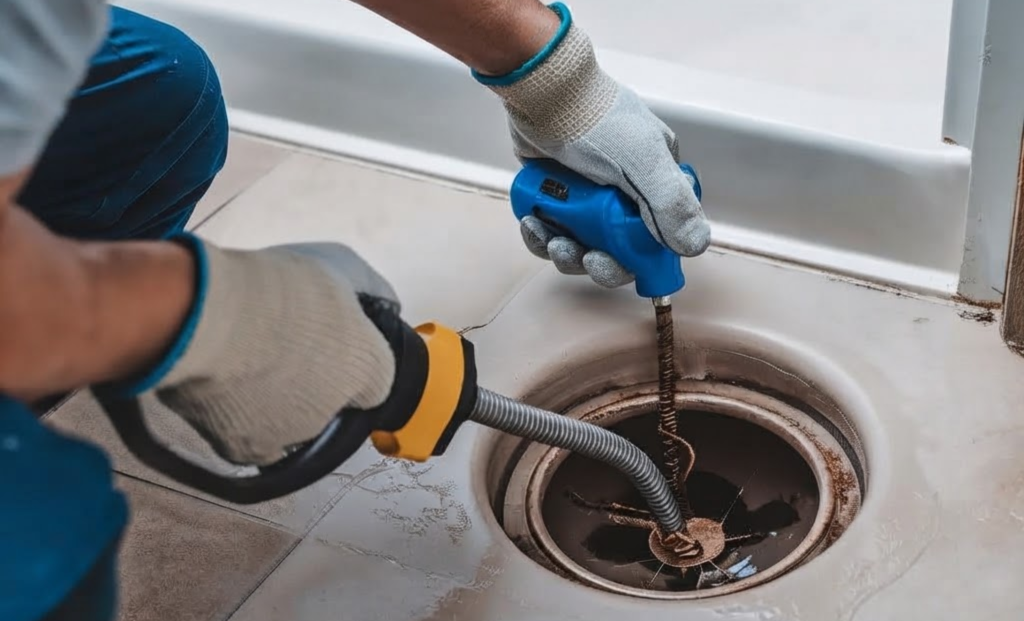
Sewer rodding clears that line mechanically. A technician feeds a steel cable fitted with a cutting head into the pipe through a cleanout. The rodding machine spins the cable as it advances, slicing through tree roots, packed grease, wipes, and scale until the pipe opens up and flow returns.
This is different from clearing a single slow sink. If only one fixture is sluggish, our drain rodding service in Chicago is usually the right call. If several fixtures back up at once, or water rises from the floor drain, the problem is almost always in the main line.
Signs You Need Your Main Sewer Line Rodded
- Dirty water or sewage rising from a basement floor drain
- Toilets gurgling or bubbling when the washer or a tub drains
- Two or more fixtures slowing down at the same time
- A sewage odor in the basement that keeps coming back
- Water pooling around the sewer cleanout
- Backups that happen on dry days, not only during storms
How We Rod a Sewer Line in Chicago
When you call, the clock is already running. Our process is built to stop the backup quickly, find out why it happened, and tell you plainly what comes next.
1. Quick phone triage
Tell us which fixtures are backing up and whether it started after heavy rain. That helps us arrive with the right equipment.
2. Locate the cleanout
We find the best access point to the main line, often a basement cleanout, so we can reach the blockage directly.
3. Rod the main line
Our machine drives a cutting cable through the pipe to break up roots, grease, and debris along the full run toward the street.
4. Test the flow
We run water through the system to confirm it drains freely, so the blockage is cleared rather than just pushed further along.
5. Explain what we found
If roots or a damaged pipe caused the clog, we tell you. A camera inspection can confirm the cause before you spend money on repairs.
Basement Sewer Backup? What to Do Right Now
A basement sewer backup is stressful, but a few quick steps limit the damage while help is on the way:
- Stop using water. Hold off on flushing, showering, and running the dishwasher or washer.
- Keep people and pets away from standing water. Sewage can carry bacteria.
- Skip chemical drain cleaners. They rarely clear a main line and leave caustic water behind.
- Note when it happened. A backup during a heavy storm can point to an overloaded public sewer. A backup on a dry day usually means a blockage in your own line.
- Call us at (773) 588-1200 for same-day sewer rodding.
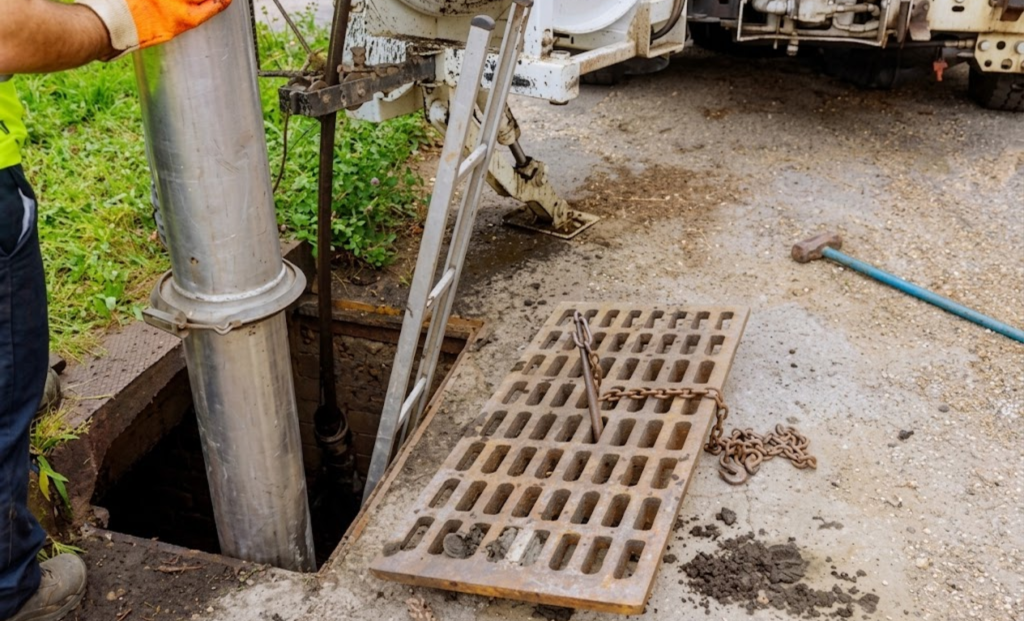
Much of Chicago is served by a combined sewer system that carries both stormwater and wastewater, so intense rain can push water back toward basements. The City explains this on its flooding prevention page. If a sewer structure in the street or alley isn’t draining, you can request a City sewer cleaning inspection.
What Our Sewer Rodding Service Includes
A sewer backup is rarely just a clog. Depending on what we find, your visit can include:
Main Sewer Line Cleaning
Full-length rodding of the main line from the cleanout toward the city connection, clearing the pipe that every fixture depends on.
Tree Root Removal
Roots find their way into joints and cracks in older sewer pipes. Our cutting heads shear them back so wastewater can flow again.
Sewer Camera Inspection
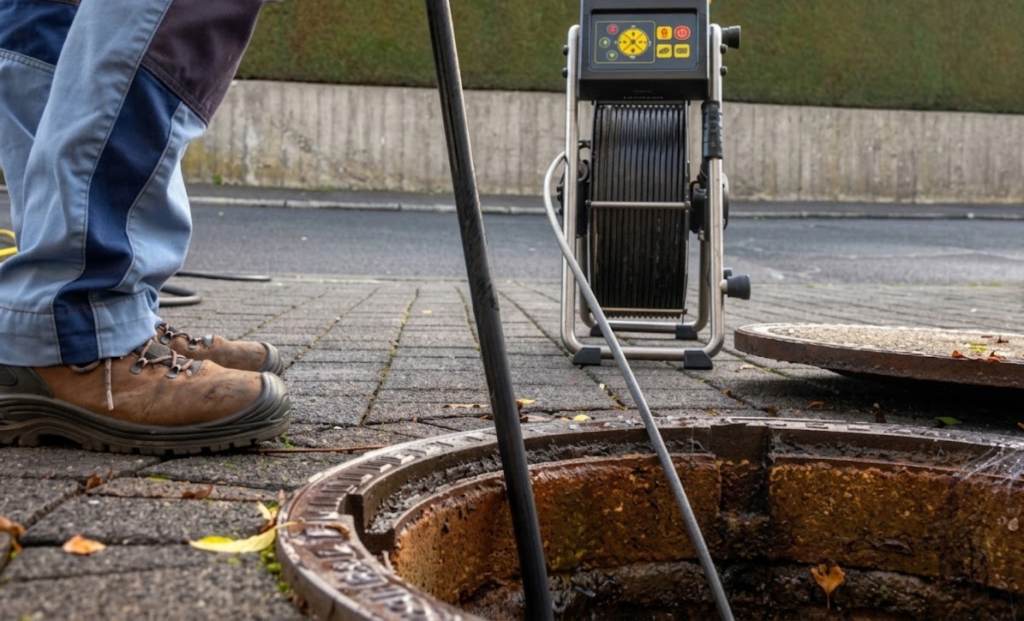
For repeat backups, a camera inspection and diagnostics shows what is inside the pipe: roots, a sagging section, or a break.
Hydro Jetting and Sewer Line Repair
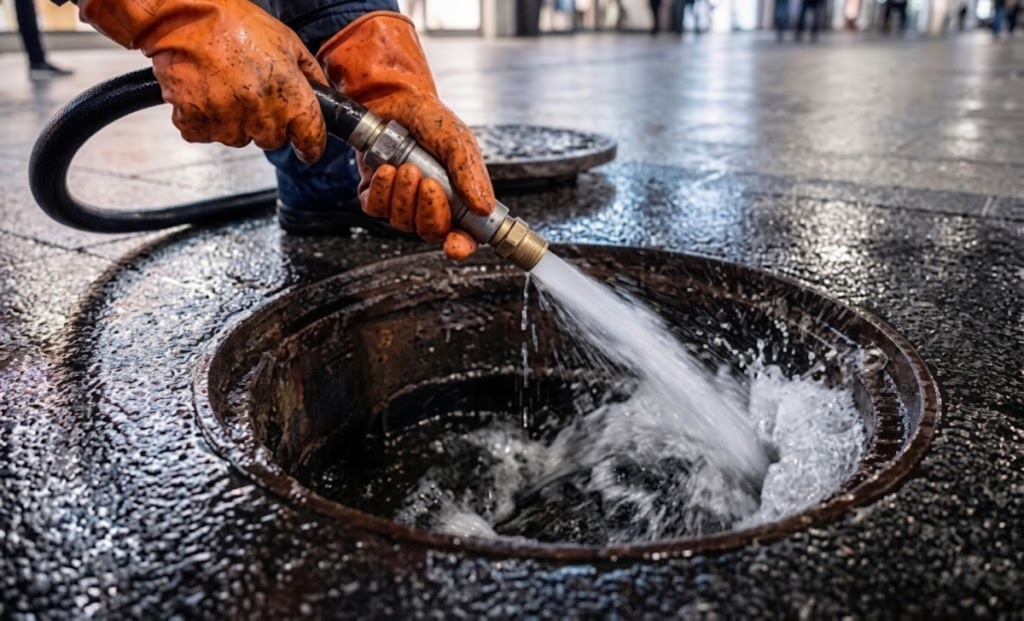
When rodding opens the line but heavy grease or roots keep returning, hydro jetting services scour the pipe walls more thoroughly. If the camera finds damage, we talk through sewer line repair options with you.
Sewer Rodding Cost in Chicago: What Affects the Price
Every sewer line is different, so we don’t quote a one-size-fits-all number over the phone. These factors shape the sewer rodding cost in Chicago:
| Factor | Why it matters |
|---|---|
| Cleanout access | An open, reachable cleanout makes the job faster than working through a toilet or roof vent. |
| Cause of the blockage | Dense tree roots take more cutting than a soft grease or wipe clog. |
| Length of the line | Longer runs to the street take more cable and more time. |
| Camera inspection | Adding video diagnostics costs more up front but can prevent guesswork later. |
What we do promise: an honest estimate before any work starts, with no surprise charges. Contact our team for a quote on your property.
Why Chicago Property Owners Call Rodding Rooter
20+ years of experience
Our Chicago plumbing team has more than two decades of experience clearing drains and sewer lines.
Same-day service
A backed-up sewer can’t wait until next week. Call early and we’ll work to get a technician to you the same day.
Upfront estimates
You hear the price before we start, and we explain every charge. No hidden fees.
Diagnostics, not guesswork
With camera inspection available, we can show you why the line clogged instead of simply clearing it and hoping.
Homes and businesses
We handle residential sewer lines and the busier drain systems behind stores, offices, and restaurants.
Sewer Rodding Service Across Chicago
Chicago sewers face some specific challenges. Many older buildings still drain through aging clay or cast-iron lines. Mature parkway trees send roots toward those pipes, and heavy storms put pressure on the combined sewer system. That mix is why we see so many root-choked main lines and basement floor drain backups across the city.
If you are searching for sewer rodding near me from a Chicago address, Rodding Rooter is a local call away. Our sewer rodding service in Chicago covers single-family homes, two-flats, apartment buildings, and commercial properties. Browse our full list of plumbing services or learn more about Rodding Rooter Chicago.
Sewer Backed Up? Get Your Line Rodded Today
A clogged main line only gets worse with every flush. Rodding Rooter clears Chicago sewer lines quickly, explains what caused the backup, and gives you an honest estimate before work begins. Call (773) 588-1200 now or request sewer rodding online, and let’s get your water flowing the right way again.
Sewer Rodding FAQs
The price depends on cleanout access, the length of the line, and what is blocking it. Tree roots take longer to cut than a grease clog. Rodding Rooter gives you an honest estimate before any work begins, with no hidden charges.
Many main-line rodding jobs are finished in a single visit. Time depends on how easy the cleanout is to reach, how far the blockage sits, and how dense it is. Heavy root growth takes longer to cut through.
No. Rodding uses a rotating steel cable to cut through a blockage and reopen the pipe. Hydro jetting uses high-pressure water to scour grease and debris from the pipe walls. Rodding is often the first step, and jetting is used for heavy or recurring buildup.
Yes. Rodding cutters shear off roots that have grown into the line and restore flow. Roots can grow back through the same joints or cracks, so a camera inspection helps decide whether ongoing maintenance or a repair makes more sense.
Chicago’s combined sewer system carries both stormwater and wastewater. During intense storms, the public sewer can fill up and push water back toward basements. If your drain backs up on dry days too, the blockage is likely in your own main line and needs rodding.
It depends on the pipe. Lines with a history of root intrusion or grease buildup may need checking and cleaning every one to two years. A camera inspection shows the condition of your line so you can set a schedule that fits it.
Yes. Rodding Rooter offers same-day service. Call (773) 588-1200 as early as you can, and we will tell you the soonest a technician can reach you.
No. Chemical cleaners rarely clear a blocked main line, and they leave harsh water sitting in the pipe and on your basement floor. Stop using water and call for professional sewer rodding instead.