Sewer Camera Inspection in Chicago
A sewer camera inspection in Chicago shows you exactly what is happening inside the pipe that carries everything from your home to the city sewer. Instead of guessing why the basement floor drain keeps backing up, or trusting a seller’s word about a 90-year-old clay line, you see the pipe on screen: roots, cracks, sags, grease, and all.
Rodding Rooter runs video pipe inspections for Chicago homeowners, home buyers, landlords, and businesses. We explain what the camera found in plain language, and if the line needs work, you get an honest estimate before anything is done.
What Is a Sewer Camera Inspection?
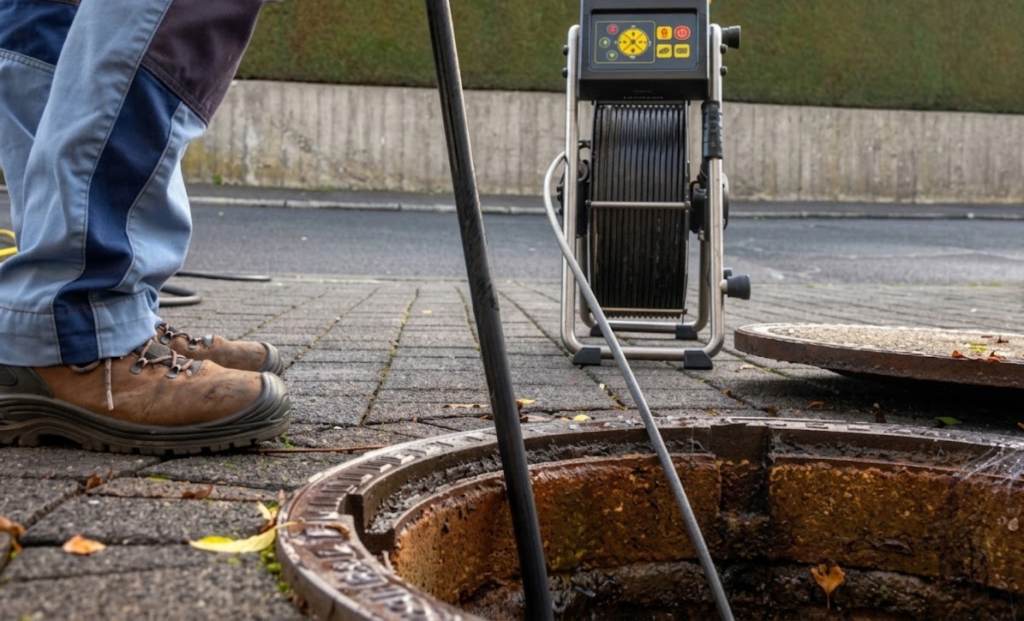
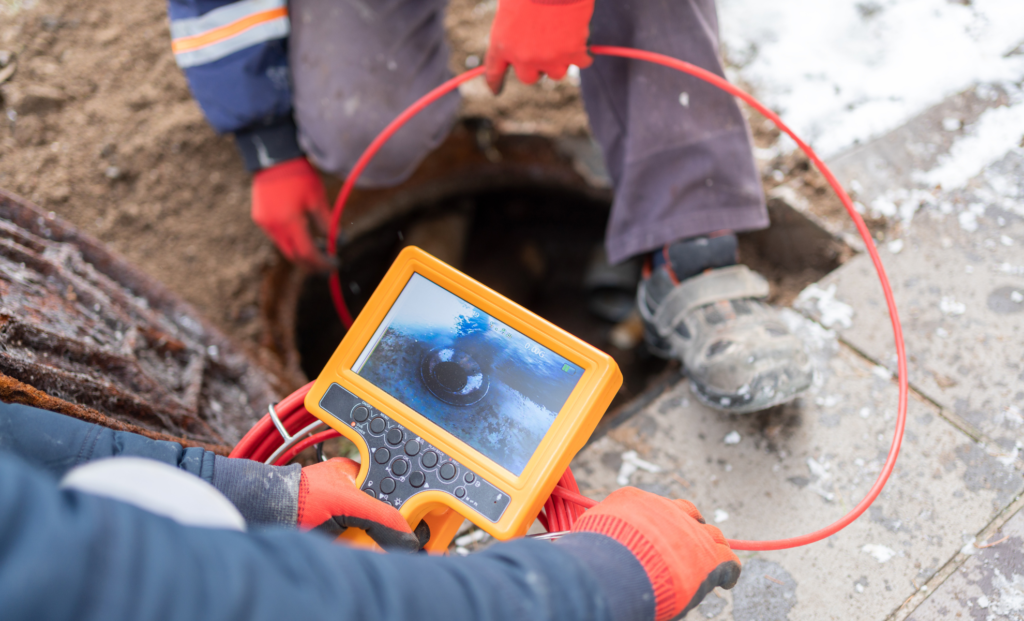
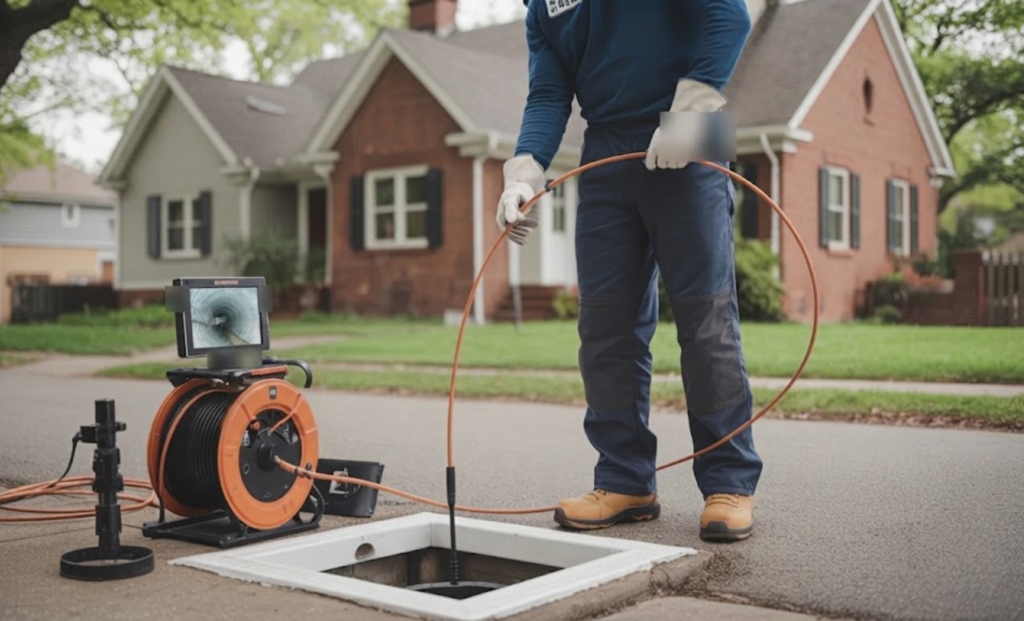
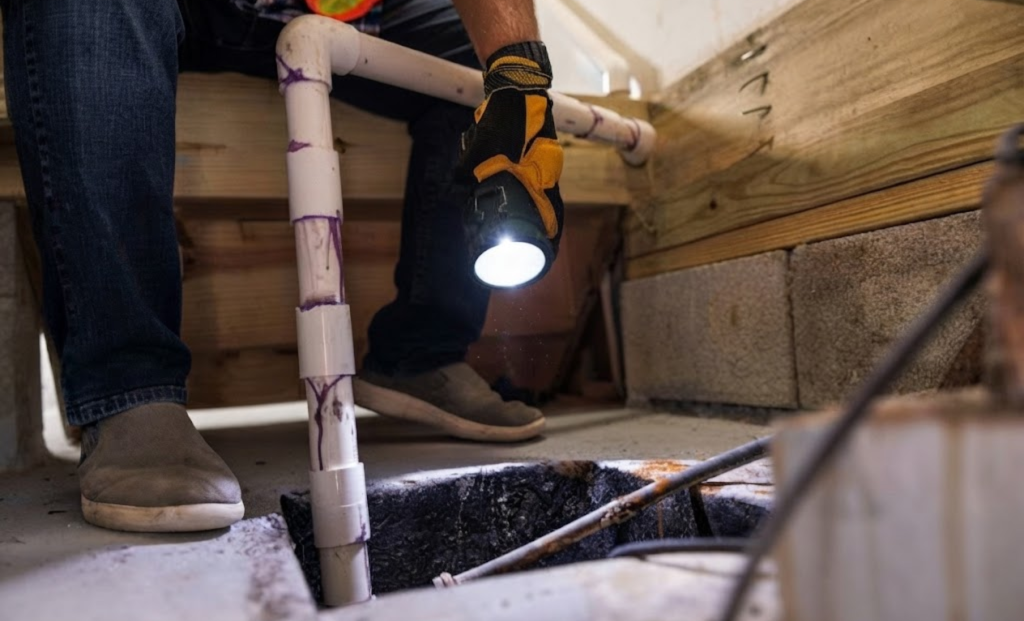
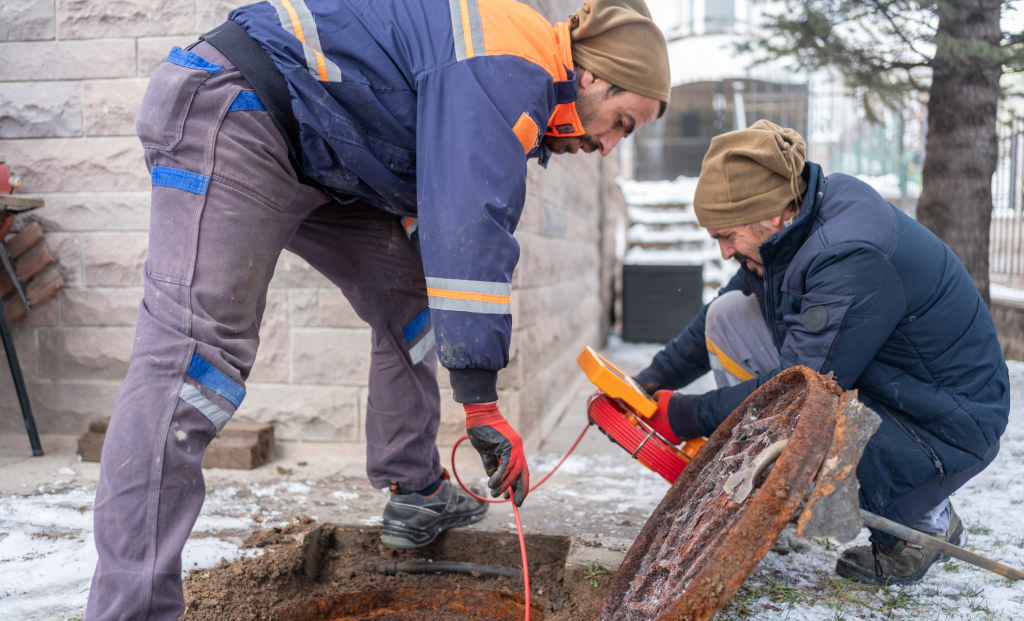
A sewer camera inspection, also called a sewer scope or video pipe inspection, is a look inside your drain or sewer line with a small waterproof camera. The camera sits on the end of a flexible push cable. A technician feeds it into the line through a cleanout, and the live picture goes to a monitor, so you can see the pipe walls, the joints, and any trouble spots as the camera travels.
In most Chicago homes, the pipe that matters most is the private building sewer, often called the lateral. It runs from the house, under the yard or parkway, to the public sewer in the street. As the Metropolitan Water Reclamation District explains, obstructions or damage in that private line can contribute to basement backups. Because the line is buried, a camera is the practical way to check its condition without digging.
When a Drain Camera Inspection Makes Sense
- You are buying a home, especially an older one with a clay or cast-iron sewer line
- The main line keeps clogging, even after it has been rodded
- Water comes up through the basement floor drain when you do laundry or shower
- Several fixtures drain slowly or gurgle at the same time
- You notice a sewage odor in the basement or near the cleanout
- A large parkway or yard tree sits close to the path of the sewer line
- You want to confirm a line is truly clear after rodding or hydro jetting
A drain camera inspection turns those symptoms into answers. That way, you are not paying to clear the same clog again and again without knowing why it keeps coming back.
Our Sewer Camera Inspection Process
Every inspection follows the same basic steps, whether you are chasing a recurring backup or checking a house before closing. Here is what to expect when a Rodding Rooter technician arrives.
1. Talk through the problem
We start by asking what brought you to us: backups, slow drains, odors, or a pending home purchase. That tells us which line to inspect and what to look for.
2. Open the cleanout
We find the best access point, usually a cleanout in the basement or outside the home, and set up so the camera can travel toward the city sewer with minimal mess.
3. Run the camera
We push the camera slowly through the line while watching the live feed. You are welcome to watch the screen with us and ask questions as we go.
4. Note problem areas
When we see roots, cracks, sags, or buildup, we note what it is and roughly where it sits along the line. That helps target any cleaning or repair.
5. Explain and recommend
We explain the findings in plain language and outline your options. If the line needs cleaning or repair, you get an estimate before any work begins.
What a Video Pipe Inspection Can Reveal
A camera does not guess. It shows the condition of the pipe as it is today. These are the problems we most often look for in Chicago sewer lines:
- Tree root intrusion: roots entering through joints and cracks, from fine hair roots to dense masses
- Cracked or broken pipe: common in aging clay tile and corroded cast iron
- Offset or separated joints: sections that have shifted out of line and catch paper and waste
- Bellies or sags: low spots where water and solids settle instead of flowing
- Grease, scale, and sludge: buildup that narrows the pipe and slows drainage
- Collapsed sections: pipe that has partially or fully caved in
- Foreign objects: wipes, toys, or construction debris lodged in the line
Knowing which of these you have changes the fix. Roots and grease can often be handled with sewer rodding or hydro jetting, a slow branch line may only need drain cleaning, and a collapse or broken section calls for a sewer line repair.
Sewer Inspection Before Buying a Home in Chicago
A standard home inspection covers a lot, but the sewer line is not usually part of it. The Illinois home inspection standards of practice do not require inspectors to evaluate components that are not readily accessible, and a buried sewer line is about as inaccessible as it gets.
That gap matters in Chicago, where many bungalows, two-flats, and greystones still rely on their original clay or cast-iron sewer. A sewer inspection before buying a home gives you facts to act on during your inspection period:
- Confirm the line is in reasonable shape before you close
- Spot roots, breaks, or sags that may need attention
- Get an estimate for any needed work to discuss with your agent
- Plan maintenance, such as periodic rodding, from day one
Schedule the sewer scope early in your contingency window so there is time to review the results. If you need a copy of the footage for your records or a negotiation, ask about it when you book.
Sewer Line Inspection Cost: What Affects the Price
We do not publish a flat price online, because the right number depends on the property. What we will do is quote you clearly before we start. The main factors behind sewer line inspection cost are:
- Access: whether there is a usable cleanout, and where it is
- Line length: how far the camera needs to travel to reach the city sewer
- Line condition: a fully blocked line may need to be rodded before the camera can pass
- Purpose: a quick diagnostic look versus a full inspection for a home purchase
Call us, describe the property and what is going on, and we will tell you what the inspection involves and what it will cost. No surprise charges after the fact.
Why Chicago Property Owners Choose Rodding Rooter
20+ years of experience
Our team brings more than two decades of plumbing experience, much of it in Chicago’s older sewer systems.
Inspection and cleaning in one call
If the camera finds roots or buildup, we can clear the line with rodding or hydro jetting without you calling another company.
Estimates before work
You get an honest estimate before any cleaning or repair begins, with no hidden charges.
Same-day service
Call early and we will work to get a technician to you the same day.
Less guesswork, less digging
Seeing the problem first helps us target the repair instead of digging up more of your yard than needed.
Sewer Camera Inspections Across Chicago
We inspect sewer and drain lines throughout Chicago and the surrounding area. Our customers include homeowners, home buyers, landlords with two-flats and multi-unit buildings, property managers, and commercial properties such as restaurants and offices.
Chicago’s mix of older housing, clay and cast-iron sewer lines, and mature parkway trees makes camera inspections especially useful here. Wherever you are in the city, one call to Rodding Rooter’s Chicago plumbing team gets you a clear look at your line. If you have an active backup right now, see our 24/7 emergency plumber service.
Book a Sewer Camera Inspection in Chicago
Whether the same backup keeps coming back or you want answers before closing on a house, a sewer camera inspection replaces guesswork with facts. Rodding Rooter brings 20+ years of experience, clear explanations, and an estimate before any work begins.
Call (773) 588-1200 or send us a request online and tell us what you are seeing. You can also browse our full list of Chicago plumbing services.
Sewer Camera Inspection FAQs
A sewer camera inspection is a video look inside a drain or sewer line. A waterproof camera on a flexible cable is fed through a cleanout, and the live feed shows roots, cracks, sags, buildup, and other problems without digging.
Yes. Sewer scope, sewer camera inspection, video pipe inspection, and drain camera inspection all describe the same basic service: running a camera through the line to check its condition.
Cost depends on cleanout access, the length of the line, whether it must be cleared first, and the purpose of the inspection. Rodding Rooter gives you a clear price before we start, with no hidden charges.
It is a smart step, especially for older Chicago homes with clay or cast-iron lines or large trees nearby. A standard home inspection usually does not evaluate the buried sewer line, so a camera inspection fills that gap before you close.
Many residential inspections are completed in a single visit. The time depends on access, the length of the line, and whether it needs to be cleared before the camera can pass.
Not always. If the line is fully blocked, standing water and debris hide the pipe and can stop the camera. In that case, we clear the line first with drain rodding or jetting, then inspect it.
No. The camera and cable are built to travel through drain and sewer lines, and the inspection itself is non-destructive. Nothing is cut or dug up just to look.
We explain what we found and your options, such as rodding, hydro jetting, tree root removal, or sewer line repair. You get an estimate before any work begins.
Yes. We provide camera inspections and commercial plumbing services for restaurants, offices, stores, and multi-unit buildings across Chicago.