Sewer Rodding Questions, Answered in Plain English
Most people don’t think about their sewer line until water comes up through the basement floor drain. Then the questions start. Why did this happen? Will it happen again? Is rodding going to hurt my old pipes? This page answers the sewer rodding questions we hear most from homeowners, landlords and business owners, without the jargon.
We’ve been clearing drains and sewer lines around Chicago for more than 20 years. If you don’t see your question here, call (773) 588-1200 and talk to a real person.
What is sewer rodding?
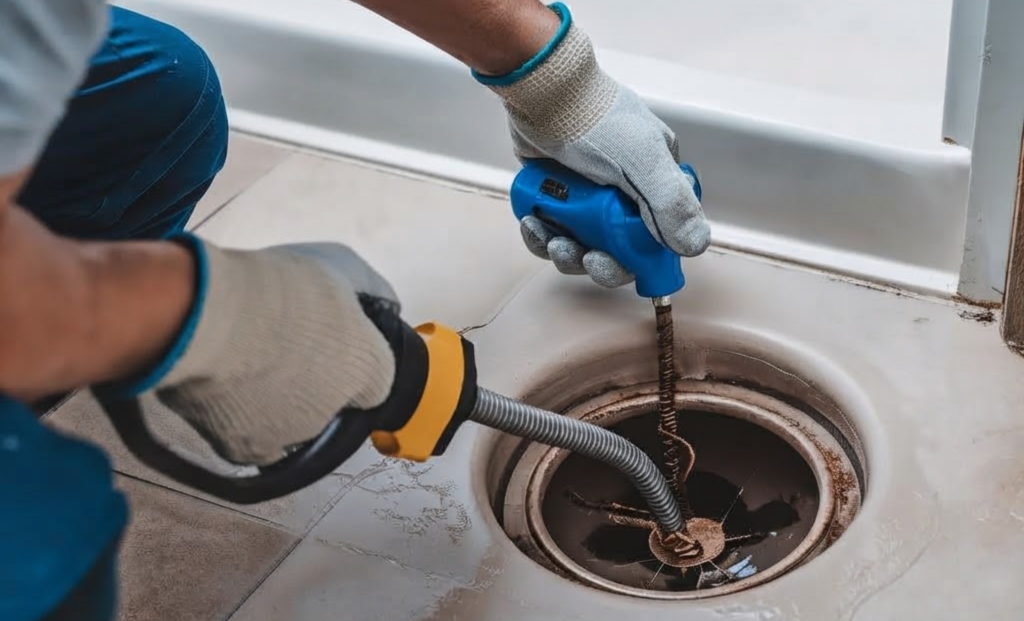
Every drain in a building feeds into one main sewer line, which carries wastewater out to the public sewer in the street. Rodding clears that main line when it gets blocked. A technician feeds a motorized steel cable with a cutting head through a cleanout, and the spinning blade cuts through roots, grease, wipes and scale until water flows again.
It’s a mechanical fix, so no chemicals are involved. A good rodding job ends with a flow test, where water is run through the system to prove the line is open from end to end. You can read more on our sewer rodding page.
Signs your main line may need rodding
- Water or sewage backing up through the basement floor drain
- Toilets gurgling when a sink, tub or washer drains
- Several fixtures slowing down at the same time
- A sewer smell near the floor drain or cleanout
- Backups on dry days, not only during storms
What happens during a rodding visit?
Here’s what a typical appointment looks like from start to finish.
1. We ask a few questions
Which fixtures are backing up, when did it start, and did it follow heavy rain? Your answers point us to the right line.
2. We find the cleanout
The cleanout is a capped access point on the sewer line, usually in the basement. It gives us a direct path to the blockage.
3. We rod the line
The cutting cable travels through the pipe toward the street, clearing roots and buildup along the way.
4. We test the flow
We run water through the system to confirm the clog is gone, and not just pushed further down the pipe.
5. We tell you what we found
If roots or damage caused the backup, we explain it and tell you whether a camera inspection makes sense.
Why does my drain keep clogging?
If a drain keeps clogging, the original cause is usually still in the pipe. Clearing a clog restores flow, but it doesn’t always remove what started it. The usual repeat offenders are:
- Tree roots growing into cracks or loose joints in older clay pipe
- Grease from kitchen sinks that hardens on the pipe walls
- Wipes and paper products that don’t break down like toilet paper
- A sag or belly in the line, where water and waste collect
- A cracked or offset pipe that catches debris
Storms can play a part too. In much of the Chicago area, sewers carry both rainwater and wastewater, so heavy rain can push water back toward basements even when your own line is clear. The City of Chicago flooding prevention page explains how this works.
To help a cleared line stay clear:
- Keep grease out of the sink. Let it cool and throw it in the trash.
- Flush only toilet paper. Wipes labeled flushable still cause clogs.
- Use drain screens in showers and tubs to catch hair.
- Book a camera inspection if the same clog keeps coming back.
Rodding, snaking or hydro jetting?
People use these terms interchangeably, so here’s how we use them, from smallest job to largest.
Drain snaking
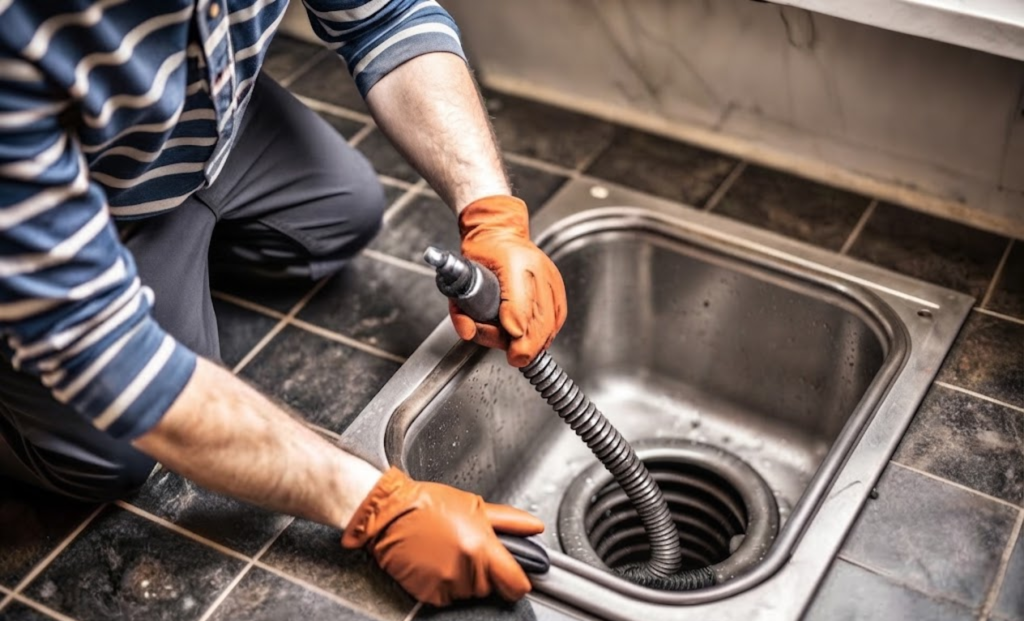
Snaking usually means running a smaller, flexible cable through a single fixture drain, like a sink or tub. It’s the right tool for one slow drain. Our drain cleaning covers these jobs.
Sewer rodding
Rodding uses a heavier motorized cable with a cutting head to clear the main sewer line. The difference from snaking is mostly size: rodding handles the main line every fixture depends on.
Hydro jetting
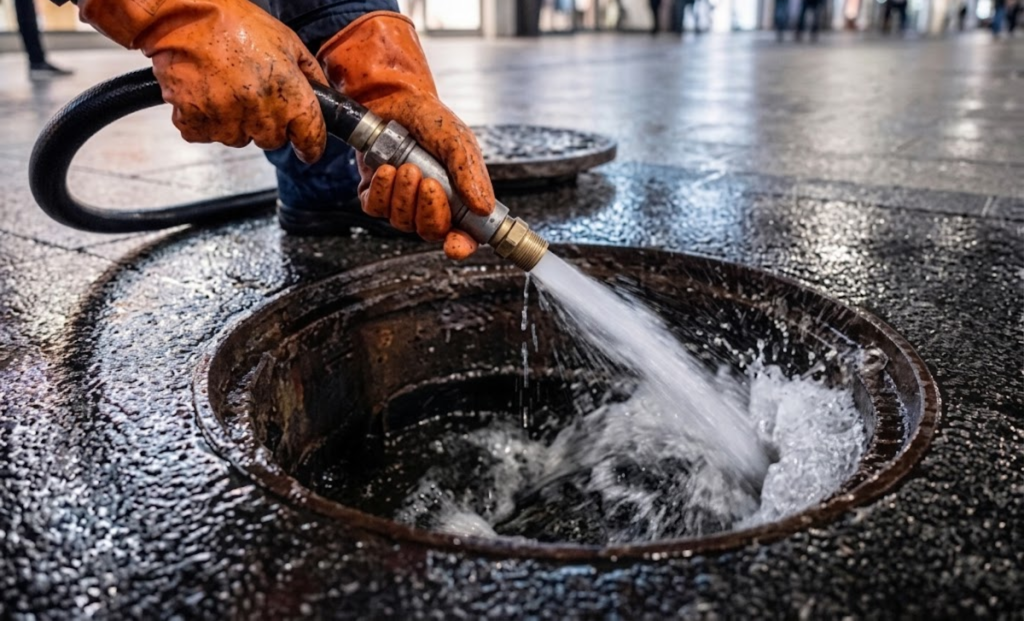
Hydro jetting uses high-pressure water to scrub grease, scale and sludge off the pipe walls. It’s often used after rodding when buildup keeps coming back.
Camera inspection
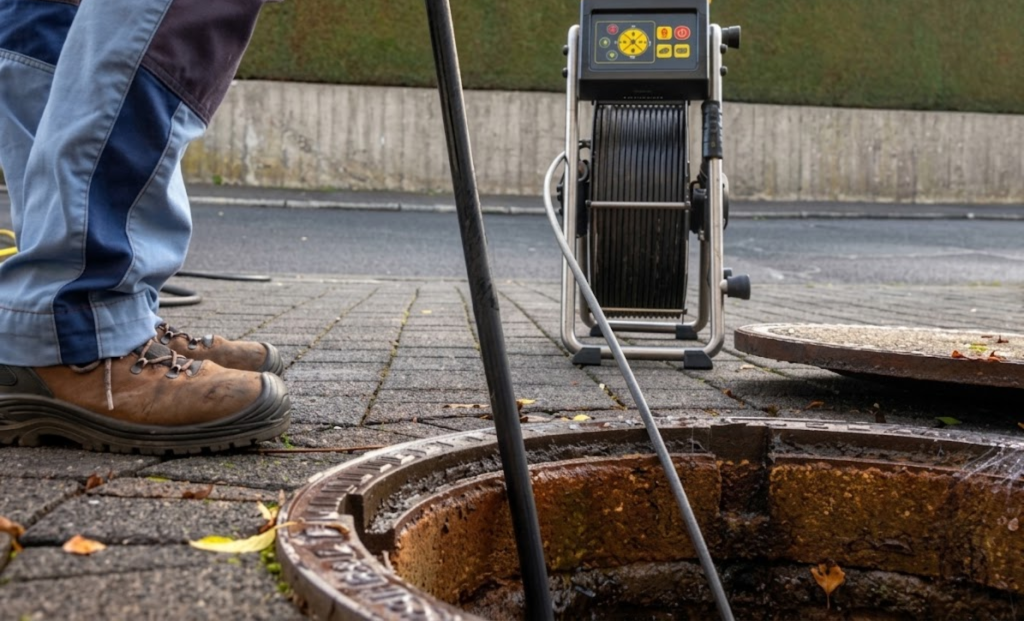
A sewer camera inspection doesn’t clear anything. It shows you what’s inside the pipe so you can choose the right fix.
How often should you rod a sewer line?
There’s no single schedule that fits every home. How often to rod depends on what’s in the line and what shape it’s in:
| Your situation | What usually makes sense |
|---|---|
| No history of backups | Rod only when you notice warning signs. Consider a camera inspection if you’re buying an older home. |
| Roots have been found in the line | Roots tend to grow back, so many owners rod every year or two. The Village of Skokie notes that root removal may need repeating on that schedule. |
| Grease or heavy kitchen use | Regular cleaning, sometimes with hydro jetting, keeps buildup from narrowing the pipe. |
| Repeat clogs in a short time | A camera inspection can show whether a sag, break or offset needs repair instead of more rodding. |
Not sure where you fit? Contact us and we’ll help you decide, with an honest estimate before any work.
Why people bring their questions to us
20+ years of experience
Our team has spent more than two decades clearing drains and sewer lines.
Same-day service
Call early and we’ll work to get a technician out that day.
Prices up front
You hear the price before we start, with every charge explained.
Camera diagnostics
We can show you the inside of your line on video instead of guessing.
Homes and businesses
We handle residential lines and commercial plumbing and rodding.
Is rodding safe for old pipes?
In most cases, yes. Rodding is a standard way to clear older clay and cast-iron sewer lines, and an experienced technician picks a cutting head sized for the pipe. The cable follows the line instead of forcing its way through it.
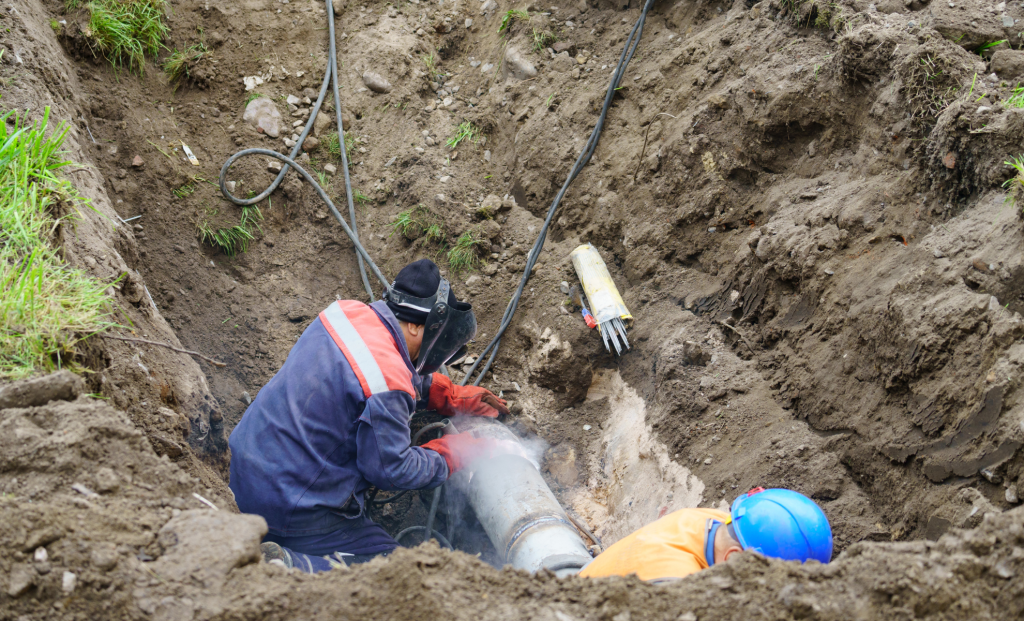
The exception is a pipe that’s already badly cracked or partly collapsed. In that case rodding can’t fix the damage, and a camera inspection should come first. If we see signs of serious damage, we’ll stop and talk you through sewer line repair options before going further. For lines packed with roots, root removal is the usual first step.
We answer these questions every day for customers across the area, including in Logan Square, Oak Park and Evanston. You can also browse our services.
Still have a question?
Every drain and sewer line is a little different, and sometimes the best answer comes from a quick conversation. Call (773) 588-1200 or send your question online. If you need service, we’ll give you an honest estimate before any work begins, and our 24/7 emergency plumbers are there for backups that can’t wait.
More drain and sewer questions
It depends on how easy the cleanout is to reach, how long the line is, and what's blocking it. We give you an honest estimate before any work starts, with no hidden fees.
Many main line jobs are finished in one visit. Dense roots, a hard-to-reach cleanout, or a long run to the street can add time.
We don't recommend it. Chemical cleaners rarely clear a main line, and they leave harsh water sitting in the pipe for whoever has to clear it next.
Rodding clears the blockage, but if roots, a sag or a cracked pipe caused it, the clog can come back. A camera inspection shows whether a repair would be the longer-term fix.
A branch line serves one fixture, like a sink or tub. The main line is the larger pipe every branch line drains into before it leaves the building.
In many communities, the property owner is responsible for the private line from the building to the public sewer. Check with your city or village for local rules.
Yes. Call (773) 588-1200 early in the day for the best chance at a same-day visit. Emergency service is available 24/7.