
Catch Basin Cleaning in Chicago: Help for Overflowing, Smelly Basins
Water pooling around the grate after every storm? A sour sewer smell drifting up from the backyard drain? Those are the two classic signs of a catch basin packed with mud and leaves, or blocked where it drains into the sewer. We do catch basin cleaning in Chicago for homeowners, landlords and businesses who want the standing water gone and the smell under control.
We dig out the sediment in the bottom of the basin, rod the outlet line that carries water to the sewer, and run water through it to confirm it drains before we leave. Call (773) 588-1200 for same-day service. You’ll get an honest estimate before any work starts.
What a catch basin does, and why it stops draining
A catch basin is the square or round grated drain you see in backyards, gangways, driveways and parking lots. Under the grate sits a brick or concrete chamber. Rain runs in from the surface, and a pipe near the top of the chamber carries it off to the sewer. The space below that outlet pipe is the sump. Its job is to trap sand, grit, leaves and trash so they settle out and don’t flow into your sewer line.
That works until the sump fills up. Once sediment reaches the outlet, debris washes straight into the pipe, the line narrows, and the basin stops draining. Many basins also have a hood or trap on the outlet that holds back sewer gas. If that seal dries out or breaks, you’ll smell it.
Here’s what many owners don’t know: the City maintains the catch basins in streets and alleys, but cleaning catch basins on private property is the property owner’s responsibility, according to the Chicago Department of Water Management. If the grate is in your yard or on your lot, keeping it clear is up to you.
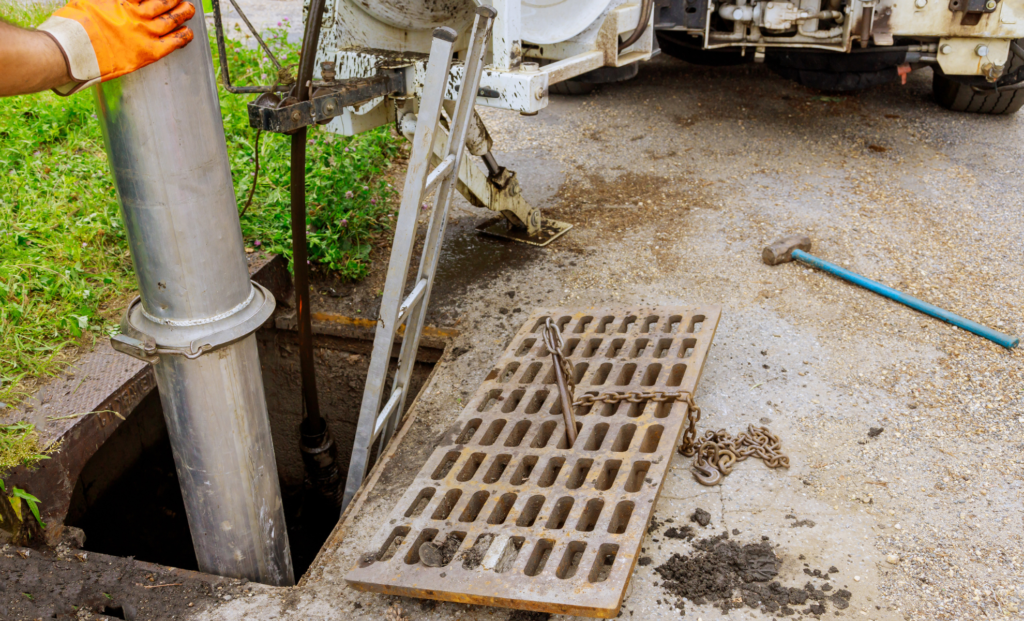
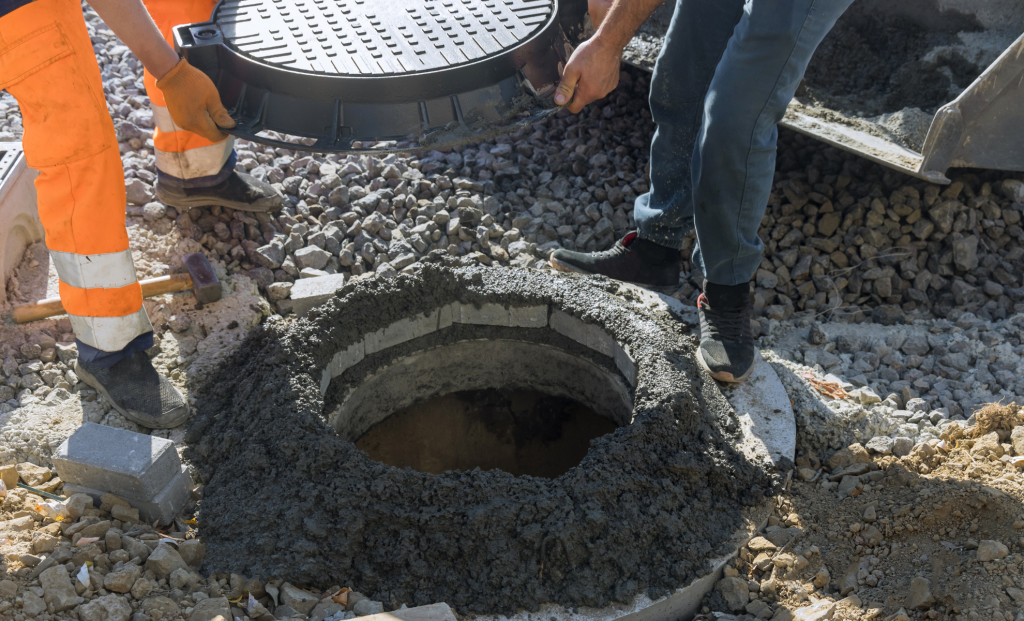
A clean, free-flowing catch basin:
- Moves storm water off patios, walkways and parking areas before it pools or freezes
- Keeps sand and leaves out of the sewer line, so you get fewer clogs down the way
- Cuts the sewer odor from rotting debris and a dry trap
- Lowers the chance of water running toward your foundation or window wells
Signs a catch basin needs cleaning
- Water sits around the grate for hours after rain
- Water bubbles up out of the basin instead of draining in
- A rotten-egg or sewer smell near the basin, especially in warm weather
- Mud, leaves or trash visible just below the grate
- Standing water that never fully drains and draws mosquitoes
- Water collecting near the foundation or in window wells after storms
- The basin drains slowly even on dry days
How we clean a catch basin
Catch basin work is dirty, but our process is simple. We work out whether the problem is a full sump, a blocked outlet line or both, fix what’s actually wrong, and prove the basin drains before we pack up.
1. We inspect the basin
We lift the grate, check how much sediment has built up, and look at the outlet, hood and walls. We also ask how the basin behaves in rain and on dry days.
2. We clean out the sump
We remove the mud, leaves, grit and trash packed into the bottom, so debris stops washing into the pipe.
3. We rod the outlet line
A motorized cable runs through the pipe from the basin to the sewer, cutting through roots, packed silt and debris.
4. We flush and test
We run water into the basin and watch it drain, so you know the line is fully open and not just partly cleared.
5. We tell you what we found
We let you know about cracked walls, a broken hood or roots in the line, and whether a camera inspection or repair makes sense.
Catch basin repair and cleaning costs
Cleaning fixes most catch basin problems, but not all of them. Old brick basins shift, grates crack, hoods break off, and roots can crush the outlet pipe. When we find damage, we show you what we see and talk through repair options before anything else happens. You decide the next step.
We don’t quote a flat price over the phone, because every basin is different. These are the things that shape the cost:
| Factor | Why it matters |
|---|---|
| How full the sump is | A basin that hasn’t been cleaned in years takes longer to dig out. |
| Condition of the outlet line | Roots or packed silt in the pipe add rodding or jetting time. |
| Access | An open yard grate is quicker than one under a deck, behind a fence or under parked cars. |
| Number of basins | Parking lots and apartment buildings often have several to clean in one visit. |
| Repairs needed | A broken hood, grate or wall adds work beyond cleaning. |
What a catch basin visit can include
Every basin is a little different, so your visit is built around what we find. Depending on the basin and its line, the work can include:
Sediment and debris removal
A full cleanout of the sump, including sand, gravel, leaves and trash that have settled below the outlet.
Rodding the basin line
Rodding clears the outlet pipe between the basin and the building sewer. It’s the same cable method we use for sewer rodding.
Jetting for heavy buildup
When the outlet line is packed with years of silt or grease, hydro jetting scrubs the pipe walls instead of just punching a hole through the clog.
Camera inspection
For basins that keep backing up, a camera inspection shows roots, a sag or a broken section inside the line.
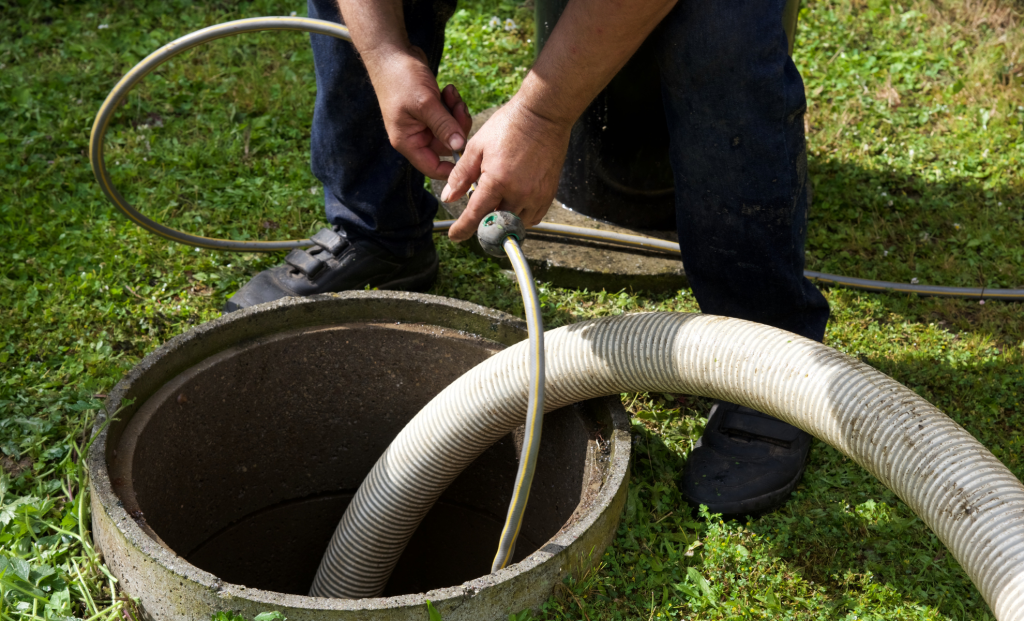
Overflowing basin or sewer smell? What to do now
If your yard catch basin is clogged and overflowing, water that can’t drain gets pushed toward your foundation. If the basin ties into the building sewer, a clog can affect other drains too. While you wait for us:
- Clear the grate. Rake off leaves or trash sitting on top. Sometimes that alone gets water moving.
- Skip chemical drain cleaners. They won’t dissolve mud or roots, and they leave harsh water standing in the yard.
- Keep kids and pets away from standing water around the grate.
- Check your basement floor drain. If it’s backing up too, you may need floor drain rodding or main line cleaning as well.
- Note when it happens. Overflow only during downpours can mean the sewer system is overloaded. Slow draining on dry days points to a clog in your basin or its line.
If the smell is your main complaint, the cause is usually rotting debris in the sump or a trap that has lost its water seal. Cleaning the basin and checking the hood normally handles both. Call (773) 588-1200 for same-day help, or see our 24/7 emergency plumber service if water is heading for the house.
Why Chicago property owners call us
Twenty years of experience
Our team has more than two decades of experience clearing drains and sewer lines across the city.
Same-day service
Standing water and sewer smells can’t wait. Call early and we’ll work to get a technician to you that day.
A price before we start
You hear the number first, and we explain every charge. No hidden fees.
More than a scoop-out
With rodding, jetting and camera equipment, we clear the line behind the basin, not just the debris on top.
Homes and businesses
From backyard basins at two-flats to parking lot drains at stores and restaurants, we handle both.
Catch basin cleaning across Chicago
Chicago has a lot of private catch basins. Many older lots use a backyard or gangway basin to handle rain from the yard and walkways, and much of the city drains into a combined sewer that carries storm water and wastewater together. Add mature trees, heavy summer storms and fall leaves, and it’s easy to see why so many basins fill up and stop draining.
If you’re searching for catch basin cleaning near you from a Chicago address, we’re a local call away. We clean and rod basins at single-family homes, two-flats and three-flats, apartment buildings, and commercial properties like parking lots, restaurants and storefronts. If the clogged basin is in the street or alley, it belongs to the City, and you can report it to the Department of Water Management.
For clogs inside the building, see our drain cleaning service, browse our services, or learn more about us.
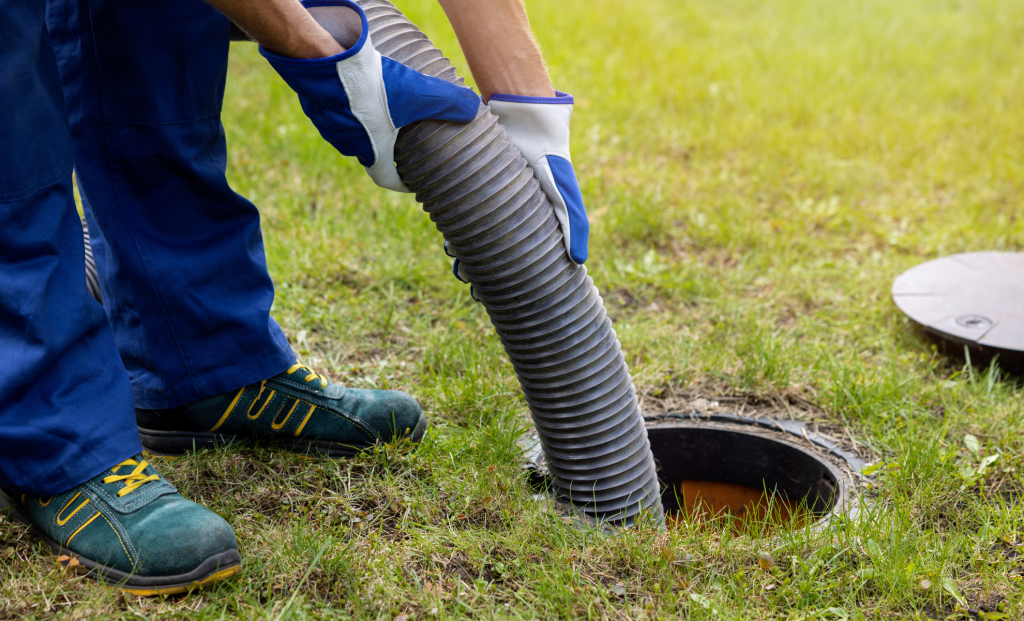
Schedule catch basin cleaning today
An overflowing or smelly catch basin won’t fix itself, and every storm makes it worse. We clean out the basin, rod the line and confirm it drains, with an honest estimate before any work begins. Call (773) 588-1200 or request service online, and let’s get the water going where it belongs.
Catch basin questions
It depends on how much sand, leaves and debris wash into it. Basins under trees or in busy parking lots fill faster and need cleaning more often. A simple rule: if sediment is getting close to the outlet pipe, it's time.
The smell usually comes from rotting leaves and sludge in the sump, or from a trap or hood on the outlet that has lost its water seal or broken. Cleaning the basin and checking the hood usually solves it.
Basins on private property, like yards, gangways and private lots, are the owner's responsibility. The City maintains basins in public streets and alleys, which you can report to the Department of Water Management.
Cleaning removes the sediment and debris from the sump at the bottom of the basin. Rodding clears the outlet pipe that connects the basin to the sewer. An overflowing basin often needs both.
During intense storms, Chicago's combined sewer can fill up, leaving the water nowhere to go. If the basin also drains slowly or holds water on dry days, the basin or its outlet line is clogged.
The price depends on how full the basin is, the condition of the outlet line, access, the number of basins and any repairs. We give you an honest estimate before any work begins, with no hidden charges.
You can clear the grate and scoop loose debris from near the top. Removing packed sediment, rodding the outlet line and checking the hood are best left to a professional with the right equipment. Avoid chemical drain cleaners.
Yes. Call (773) 588-1200 as early as you can, and we'll tell you the soonest a technician can reach you.