
Oak Park is the kind of village where people stop to look at the houses. Prairie-style lines, deep porches, leaded glass and big old trees give the streets a character you won’t find in newer suburbs. If you own one of those houses, you know the upkeep is a labor of love.
What you can’t see from the sidewalk is the pipe that carries waste from the house to the street. In an older home, that line has often been working for many decades. This guide is for Oak Park owners of older and historic homes who want to understand their sewer line, spot trouble early and know what rodding can and can’t do.
We’re Rodding Rooter, and we’ve worked on sewer lines around Chicago and its western suburbs for more than 20 years. We’ll share what we’ve learned and point you to what the village itself says, so you have solid information.
Why older Oak Park homes need a little extra attention below ground
Oak Park grew quickly in the early twentieth century, and much of its housing stock dates from that period. The village is also well known for its collection of homes by Frank Lloyd Wright and his contemporaries. Many properties have been cared for beautifully above ground. Below ground is harder to judge.
Here’s the thing about older sewer lines. They’re rarely the same pipe from the house to the street. Over the years, sections may have been repaired, replaced or connected to something new. A house might have original clay tile near the street, newer plastic near the foundation and a mix in between. Each joint between materials is a spot where trouble can start.
Mature trees add to the picture. Oak Park’s tree-lined streets are one of its best features, and those trees have big root systems that go looking for moisture. A sewer line with a small gap at a joint is an inviting target. Our guide on tree roots in your sewer line explains how roots get in and what it looks like at home.
How the Oak Park sewer system works, according to the village
It helps to know where your responsibility ends and the village’s begins. The Village of Oak Park explains on its basement flooding prevention page that almost all Oak Park homes have gravity sewers, and that house lines are typically four to six inches in diameter. Many homes also connect indoor drains and gutter downspouts to this system.
The village sewer connects directly to the regional system run by the Metropolitan Water Reclamation District, so its maximum capacity is limited by that system. When rainfall exceeds both systems’ capacity, the village notes that localized flooding and backups are likely in some homes. The page also says that when the street main is full, house lines drain poorly and sewage can back up into the home.
That matters for owners of older homes, because a house line that’s already partly blocked will struggle more when the street main is busy. Keeping your private line clear is one of the few things you control. If you’re unsure where the boundary lies for your address, the village’s public works department can confirm it.
Signs your historic home’s sewer line needs attention
An older line can fail quietly. Watch for these signs.
- Slow drains in more than one room, especially on the lowest floor.
- Gurgling toilets or tubs when other fixtures run.
- Water or sewage in a basement floor drain.
- A recurring clog that returns weeks after it’s cleared.
- A sewer smell near the cleanout or in the yard.
- Backups during heavy rain, which may point to both a blocked private line and a busy street main.
Our guide to the signs you need professional sewer rodding goes through each one. If you notice more than one, it’s time to have the line looked at.
What sewer rodding does for an older line
Sewer rodding sends a powered cable with a cutting head through the line. It breaks up roots, grease and debris and restores flow. For many older homes, it’s the fastest and most economical way to deal with a clog, and it can be done without digging up your yard.
But older pipe deserves care. Clay tile and cast iron can be brittle. The right technician picks the right cutting head, works gently and stops if the pipe looks fragile. That’s one reason we like to talk with owners first about the age of the home, what’s been done to the line and where the problems seem to start.
You can read more about the service itself on our sewer rodding page. If you’re wondering how it compares with a deeper cleaning, see our post on rodding versus hydro jetting.
Why a camera inspection is especially valuable in a historic home
If there’s one piece of advice we’d give to every owner of an older Oak Park home, it’s this: look at the pipe. A sewer camera inspection shows what’s really in the line, including roots at joints, buildup on the walls, cracked sections and low spots where water pools.
In an older home, the camera answers questions that rodding alone can’t. It shows where different pipe materials meet. It shows whether roots are entering at one spot or several. It shows if the line has settled. And it creates a record you can keep, which can be handy if you’re planning a renovation, buying or selling.
We explain when to look first and when to clear first in our post on camera inspecting a sewer line before rodding.
What to expect during a rodding visit at an older home
If you’ve never had a sewer line serviced, here’s how a visit usually goes at an older Oak Park home, so nothing feels like a surprise.
- We start with a conversation. We ask about the age of the house, any past repairs and the symptoms you’ve noticed.
- We locate the cleanout. In older homes it may be in a corner of the basement, behind a panel or in a spot that’s been boxed in over the years. If there isn’t one, we find the next best access point.
- We protect the work area. Floors, walls and finishes matter in a historic home. We lay down protection and keep the work tidy.
- We run the cable carefully. We use the right cutting head for the pipe and stop if anything feels wrong.
- We test the flow. Running water through the line is how we confirm it’s open.
- We explain what we found. You’ll hear what came out, how the line seems to be doing and whether a camera look or other work makes sense.
[img:648|Aerial view of a suburban neighborhood with red roofs|Older neighborhoods share similar lots, trees and pipes, so what happens on one block often happens on the next.]
Planning a renovation? Look at the sewer line first
Older homes are often renovated, and the sewer line is usually forgotten until the work is underway. That’s a pity, because adding a bathroom, finishing a basement or changing the layout of the kitchen all put new demands on the line. Before you spend on finishes, it’s wise to learn what shape the line is in.
A camera inspection can show whether the line can handle new fixtures and whether any section needs attention before walls are closed. If a repair is needed, it’s much cheaper and less disruptive to do it before the new floor goes in than after. And if you’re thinking about an overhead sewer or backflow valve, a licensed plumber will want to look at the existing line before planning the scope of the work.
We’d also suggest keeping any camera recordings and written notes with the rest of your house records. Future owners, and future you, will be glad to have them.
Roots, trees and what you can do about them
You shouldn’t have to choose between your trees and your sewer line. In many cases you don’t. Here’s a sensible approach for owners of older homes with large trees.
- Know where the line runs. A camera inspection can show its path and depth.
- Clear roots when they appear. Rodding cuts roots out of the line and restores flow.
- Watch for regrowth. If roots return every year or two, consider a camera inspection and a maintenance schedule.
- Think about repair if damage is found. If a joint is open, sealing it stops roots from re-entering.
- Be careful with new plantings. Before adding a large tree, think about where the sewer line sits.
We’d also encourage you to check with the village before making big landscaping changes near the street or parkway, since rules on trees vary.
Basement flooding and backups in Oak Park
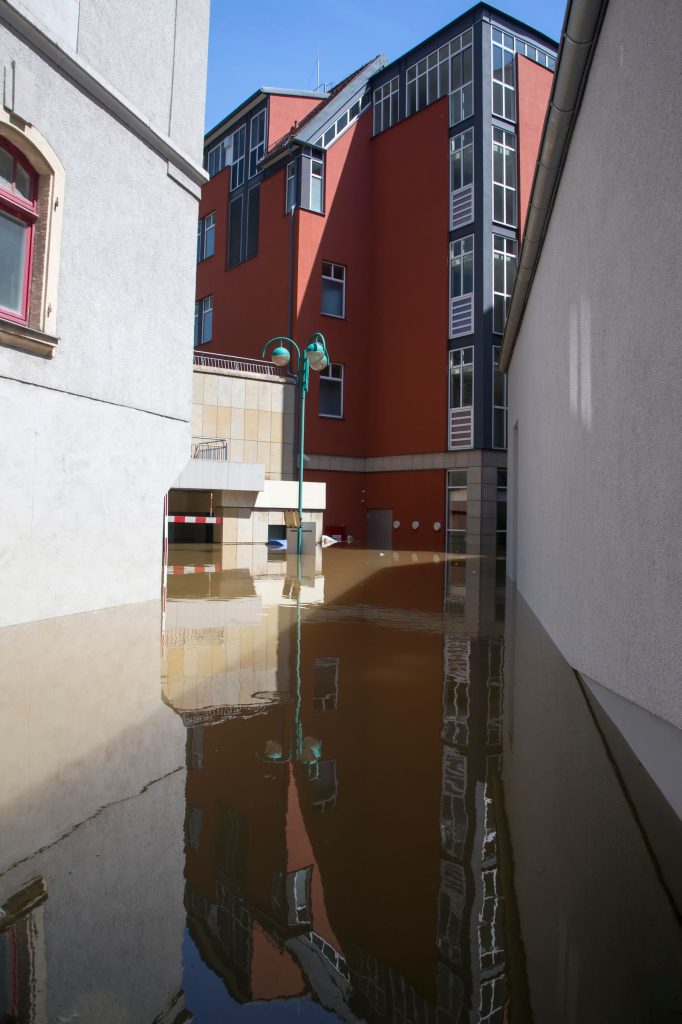
Oak Park residents are very familiar with heavy-rain backups. The village’s basement flooding prevention page lists several steps, including disconnecting gutter downspouts from the sewer, limiting indoor water use during heavy rain, sealing basement walls and floors and installing perimeter drain tile and a sump pump. It also describes overhead sewers, which raise the lowest drain in the home and include a check valve that blocks backups from the municipal sewer.
It’s worth being clear about what each step does. Rodding clears your private line. It doesn’t increase the capacity of the village or regional system. If your basement backs up in storms, a clear line helps, but additional protection may be needed. You can read more about one option on our overhead sewer conversion page, and our guide on why basement floor drains back up explains the common causes.
A village program that may help with backup protection
The Village of Oak Park offers a Sewer Backup Protection Grant. According to the village’s page, the program helps homeowners pay for plumbing changes that prevent backflow into their homes when village sewers are at capacity. Eligible work is limited to installing an overhead sewer system or a backflow prevention system, and the grant covers 50 percent of the total cost of eligible improvements, up to a stated maximum.
The page also lists eligibility rules and requirements, including that a licensed plumber must determine the scope of work before you apply, and that downspouts must be disconnected unless a waiver is granted. Because programs and rules can change, please check the village’s page or call the village for the current details before making plans. We’re a rodding company, not the village, and we can’t promise what you’d qualify for.
Common mistakes we see in older homes
- Treating every backup as a one-off. If it has happened twice, there’s probably a cause.
- Using chemical drain cleaners on the main line. They rarely reach the problem and can damage older pipe.
- Not knowing where the cleanout is. It costs time in an emergency.
- Ignoring the line during a renovation. Digging, new bathrooms and added fixtures all affect the sewer line. Look at it first.
- Assuming the pipe is “fine because it’s always worked.” Old lines can work until the day they don’t.
How often should an older Oak Park line be cleaned?
There’s no one-size schedule. A line with big trees nearby and a history of roots may benefit from a check every year or two. A line that’s been looked at, found healthy and never clogged may need nothing for a long time. The right approach comes from the pipe, the trees and the history. Our post on how often to clean your sewer line goes through the factors, and our guide to the average cost of sewer rodding explains what changes the estimate.
Sewer rodding for Oak Park homes with Rodding Rooter
We work with owners of older homes in Oak Park and nearby communities, and we treat every house like it’s worth protecting. You can see more about where we work on our Oak Park service page.
When you call, we’ll ask what you’re seeing, explain what to expect and give you an estimate before we start. Call (773) 588-1200 or send a message. Same-day service is often possible, and emergency calls are answered day or night.
An older home is an investment in history. A little attention to the pipe underneath helps make sure that history doesn’t end in a flooded basement.
Oak Park older home sewer questions
Do older Oak Park homes need more sewer maintenance?
Often they benefit from more attention, because older lines can have clay or cast iron pipe, loose joints and nearby mature trees. A camera inspection shows how your own line is doing.
Can rodding damage an old sewer pipe?
A skilled technician uses the right cutting head and a careful approach for the pipe material. If the line looks fragile, we stop and suggest a camera inspection before going further.
Who is responsible for the sewer line at my Oak Park home?
Generally, the village looks after the main in the street and the owner looks after the private line from the house. The village public works department can confirm the boundary for your address.
Does Oak Park offer help with basement backup protection?
The village has a Sewer Backup Protection Grant for certain overhead sewer or backflow prevention work. Check the village website for current eligibility and amounts.
Why does my basement back up only during heavy storms?
When rainfall exceeds the capacity of the village and regional systems, backups can happen even with a clear line. A partly blocked private line makes it worse, so clearing it is a good first step.
How do I find out what shape my sewer line is in?
A sewer camera inspection shows the pipe from the inside, including roots, cracks, offsets and buildup, and gives you a record to keep.