A sewer line rarely fails without warning. It usually starts small: a drain that takes a moment longer than it used to, a gurgle you notice once and forget about. Then one day the warnings add up, and you’re standing in a puddle wondering how it happened so fast.
The trick is knowing which signs mean “plunger” and which mean “call someone.” This guide covers seven of the clearest signs that you need professional sewer rodding, in the order we most often hear about them. We’ll also explain what each one means, so you’re not left guessing.
We’re Rodding Rooter, and we’ve cleared main lines around Chicago and the nearby suburbs for more than 20 years. These are the patterns we see over and over.
First, the difference between a clogged drain and a clogged main line
Every house has two kinds of drain problems. A local clog sits in one fixture’s own pipe, like a bathroom sink full of hair or a kitchen sink with a grease plug. A plunger or a small hand snake often takes care of it.
A main line clog is different. The main sewer line collects water from every fixture in the house and carries it out to the sewer in the street. When something blocks it, every drain upstream is affected, and the symptoms show up in several places at once. That’s the key idea behind everything below. One slow drain is a nuisance. Several symptoms together point to the main line.
Sign 1: Gurgling toilets and drains
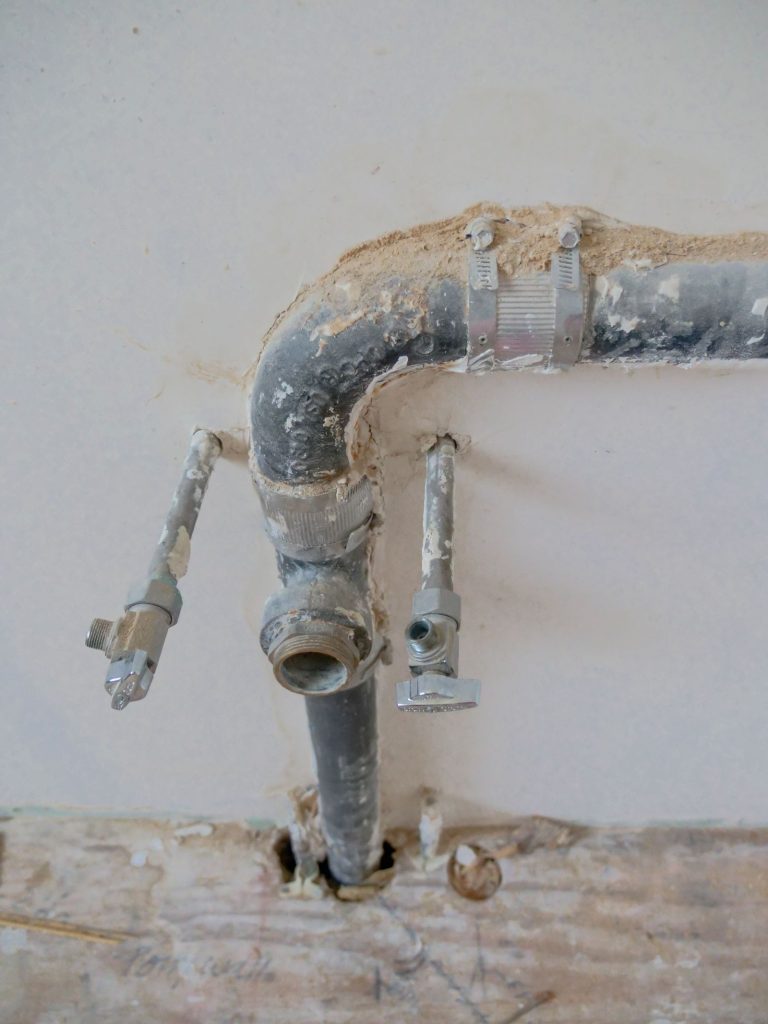
You flush a toilet, or run the washer, and somewhere else in the house you hear a bubbling sound. It might come from a tub, a shower drain or another toilet. That gurgle is air being pushed through water that can’t move freely.
In a healthy line, water flows quietly and air vents out through the roof stack. When the line is partly blocked, water and air compete for the same narrow space, and you hear it. It’s one of the earliest signs we hear about, and it’s easy to ignore. Please don’t. Gurgling in more than one fixture is a strong hint that the main line is narrowing.
Sign 2: Slow drains in more than one room
Water draining slowly from one sink isn’t unusual. Water draining slowly from the kitchen, the bathroom and the laundry tub all at once is a different story. Those fixtures have separate branch lines, so what they share is the main.
A good test is to run water in a sink on an upper floor and watch the lowest drain in the house. If the basement floor drain starts to rise or bubble, water has nowhere to go and is looking for the lowest exit. That’s a classic main line blockage.
Sign 3: Water or sewage coming up through a floor drain
This is the sign nobody wants to see, and it’s the one that finally gets people to call. The basement floor drain is the lowest opening in your plumbing system, so when the main line is blocked, it’s the first place water appears.
If you see dirty water in the drain, treat it seriously. Stop running water in the house, keep people and pets away from the area and call for help. We cover the full steps in our guide on what to do when sewage backs up in your basement, and our post on why basement floor drains back up explains the common causes.
Sign 4: A sewer smell in the basement or yard
A drain that smells every now and then is usually a dry trap, which means a plumbing trap that has lost its water seal. Pouring a little water down a rarely used drain often fixes it.
A smell that lingers, gets stronger or shows up near the cleanout or in the yard is another matter. It can mean that waste is sitting in the pipe instead of moving, or that the pipe has a crack letting gas escape. Either way, it’s worth having someone look at the line before the smell turns into a backup.
Sign 5: A clog that keeps coming back
Drain cleaner and a plunger fix the clog. A week or two later it’s back. Then again. That pattern means the cause isn’t the clog itself but something in the line that keeps catching new debris.
Common culprits include roots growing into a joint, a buildup of grease that narrows the pipe, a dip in the line where water pools and a rough spot where paper snags. Rodding clears the immediate problem, and a camera shows what’s causing it to return. Our guide on tree roots in your sewer line covers one of the most common reasons.
Sign 6: Backups that appear during heavy rain
If your basement drain only acts up in storms, it’s tempting to blame the sewer system and leave it at that. Sometimes that’s right. But a partly blocked private line makes storm backups much more likely, because it can’t handle a surge of water that a clear line would take.
Clearing the line is a smart first move. If backups continue even after the line is open, the cause may be outside your property, and options like an overhead sewer conversion are worth discussing. We’ll tell you honestly which situation you’re in.
Sign 7: Damp spots or unusually green patches in the yard
This one surprises people. A sewer line that has cracked or separated can leak waste water into the surrounding soil. Over time you may notice a soggy area that doesn’t dry out, an unusually lush patch of grass above the pipe, or a small sinkhole.
These signs don’t always mean the line is broken. But they’re a good reason to have a camera look at the pipe. If the line is damaged, rodding won’t fix it, and it’s better to learn that early. We explain what the options look like in our overview of sewer line repair.
What to do when you notice a sign
Here’s the short version of what we’d tell a friend.
- Stop adding water. Hold off on laundry, the dishwasher and long showers until the line is checked.
- Note what’s happening. Which drains are affected? When did it start? Does rain make it worse? These details help a technician plan.
- Find your cleanout. It’s usually a capped pipe near the basement floor or at the edge of the building. Knowing where it is saves time.
- Skip the chemical drain cleaner. It rarely clears a main line clog, and it can be unpleasant for whoever has to work on the pipe afterward.
- Call a professional. The sooner you call, the smaller the problem tends to be.
What professional sewer rodding actually involves
People sometimes imagine a plumber just poking at the drain. Real rodding is more careful than that. A technician finds an access point, usually the cleanout, and feeds a powered cable with a cutting head into the line. The head breaks up roots, grease and debris as it moves along the pipe. Once the line is open, water is run through it to check the flow.
After that, we explain what we found in plain words: what came out of the pipe, how the line looks and whether anything else is worth doing, like a sewer camera inspection to see the pipe from the inside. You can read more about the service itself on our sewer rodding page, and if you’re curious how it compares with jetting, see rodding versus hydro jetting.
If you’re wondering about price, our guide to the average cost of sewer rodding explains what moves the estimate.
What usually causes a main line to block in the first place
Knowing the sign is half of it. The other half is understanding why it happened, because that decides whether rodding is a one-time fix or the start of a routine. In our experience, main line blockages come down to a handful of causes.
Roots. Roots slip into small gaps at pipe joints, then thicken. They’re the most common cause on older lines with trees nearby, and they tend to come back unless the pipe is repaired or the roots are cleared on a schedule.
Grease and soap. Fat from cooking is liquid when it goes down the drain and solid by the time it reaches the cooler pipe underground. Layer by layer, it narrows the line. Kitchens and laundry lines are the usual sources.
Wipes and paper products. Even wipes sold as flushable don’t break down the way toilet paper does. They gather into clumps, and clumps catch everything else that follows.
Pipe problems. Offsets, sags and cracked sections give debris a place to stop. The pipe isn’t blocked by something that came in, but by its own shape.
Foreign objects. Toys, rags and construction debris get into more lines than you’d expect, especially in rental buildings and homes that recently had work done.
Each of these shows the same signs, which is why the cable and the camera together tell the story better than any single symptom can.
A typical pattern we see
Here’s a pattern that comes up again and again, without naming any one customer. A homeowner notices the kitchen sink draining a little slowly. A few weeks later, the downstairs toilet gurgles when the washer runs. Then, after a heavy rain, the basement floor drain bubbles. Three separate things, and the household treats each one as its own nuisance.
When we run a cable through the line, we find a mass of roots about a third of the way to the street, with grease and paper caught in it. Once the roots are cut and the line is flowing, all three symptoms disappear together. They were never three problems. They were one problem showing up in three places.
That’s why we encourage people to connect the dots early. If you’ve noticed more than one oddity in the last month or two, write them down and tell the technician. It helps a lot.
Signs it’s probably not a main line problem
We don’t want to send you on a service call you don’t need. Some situations are almost always local.
- Only one sink drains slowly, and the others are fine.
- The problem started right after you poured something unusual down that one drain.
- A plunger or a small hand tool clears it, and it doesn’t return.
- There’s no gurgling or smell anywhere else in the house.
If that sounds like your situation, try the simple fix first. If it comes back, or other symptoms appear, then the main line deserves a look.
How often should you have your line cleaned?
There’s no single schedule. A newer line with no trees nearby may never need attention. An older line with big roots nearby may benefit from a check every year or two. The right answer depends on the pipe, the trees and the history. We go through it in our post on how often to clean your sewer line.
Call Rodding Rooter if you recognize more than one sign
If you’ve read this far and nodded at two or three of the signs above, it’s time to get the line looked at. Call us at (773) 588-1200 or send a message. We’ll ask what you’re seeing, explain what to expect and give you an estimate before we start. Same-day service is often possible, and emergency calls are answered day or night.
A small problem caught early is almost always cheaper and less stressful than a flooded basement. Trust the warning signs, and don’t wait for the last one.
Signs of a clogged sewer line: common questions
How do I know if my main sewer line is clogged?
Look for several symptoms together: gurgling toilets, slow drains in more than one room, water in a basement floor drain and a sewer smell. One slow sink is usually local, but multiple signs point to the main line.
Can I fix a main line clog myself?
A plunger can help with a local clog, but a main line blockage usually needs a powered cable that reaches far down the pipe. Chemical cleaners rarely clear it and can make professional work less pleasant.
Why does my toilet gurgle when I run the washing machine?
The washer sends a large volume of water into the line at once. If the main is partly blocked, air is forced back through the nearest water seal, and you hear a gurgle.
Is a sewer smell in my basement dangerous?
Sewer gas is unpleasant and should not be ignored. If the smell is strong or lingers, ventilate the area, stop using water and have the line checked.
How soon should I call after seeing the first sign?
As soon as you notice more than one sign. Early rodding is usually quicker and less costly than clearing a line after it has backed up into the house.
Will rodding fix a damaged pipe?
No. Rodding clears a blockage, but it does not repair a broken or collapsed pipe. A camera inspection shows whether damage is the real cause.