Overhead Sewer Conversion in Chicago: A Permanent Fix for Sewer Backups
If you have ever watched sewage rise from a basement floor drain after a heavy storm, you already know a mop and a wet vac are not a solution. Overhead sewer conversion in Chicago is one of the few plumbing upgrades that removes the cause of the problem instead of managing the symptoms. At Rodding Rooter, we design and install overhead sewers for Chicago homeowners who are done cleaning up after every big rain.
This page explains how an overhead sewer works, how it compares with other options, what the process looks like, and where to check on Chicago basement flooding rebates before you commit to a project.
Why Chicago Basements Flood During Heavy Rain
Much of Chicago is served by a combined sewer system, meaning stormwater and household wastewater travel through the same underground pipes. In a normal week, that works. During intense rainfall, the system can fill faster than it can drain, and the water level in the street sewer rises above the level of your basement plumbing.
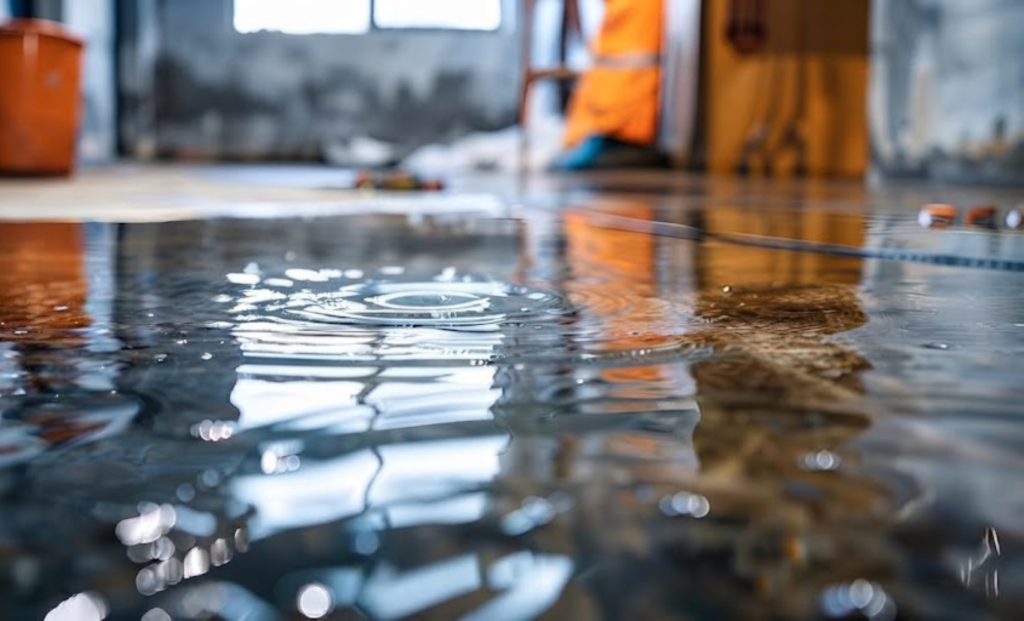
When that happens, the pressure pushes wastewater backward through your sewer lateral and up through the lowest openings in your home: floor drains, basement toilets, laundry sinks, and utility tubs. Plumbers call this a sewer surcharge.
Homes that are most exposed
Homes with finished basements, in-law apartments, basement laundry rooms, or bathrooms below grade carry the most risk, because more is at stake when water arrives. Bungalows, two-flats, greystones, and older brick homes across neighborhoods such as Portage Park, Irving Park, Albany Park, Bridgeport, and Beverly often have basement fixtures connected directly to the street sewer at a low elevation.
Why sewer backup is different from groundwater seepage
Seepage through walls or cracks is a drainage and waterproofing issue. Sewer backup is a plumbing issue, and it carries contaminated water. It needs a plumbing solution.
What Is an Overhead Sewer Conversion?
An overhead sewer conversion changes how your basement drains reach the city sewer. Instead of flowing down by gravity into the main line, wastewater from basement fixtures is collected in a sealed pit. An ejector pump then lifts it up to a drain line positioned above the level where street sewer surcharge can reach.
Because the basement drains no longer connect directly to the lower sewer path, backed-up water has no route into your living space. The protection comes from the design of the plumbing itself, not from a part that has to close at the right moment.
The main components
- Sealed, vented ejector basin that collects wastewater from basement fixtures
- Ejector pump sized for your fixtures and household use
- Check valve on the discharge line to keep water from flowing back into the basin
- Overhead discharge line that connects to your building drain above the surcharge level
- Battery backup (strongly recommended) so the system keeps working through storm-related power loss
What a conversion looks like in practice
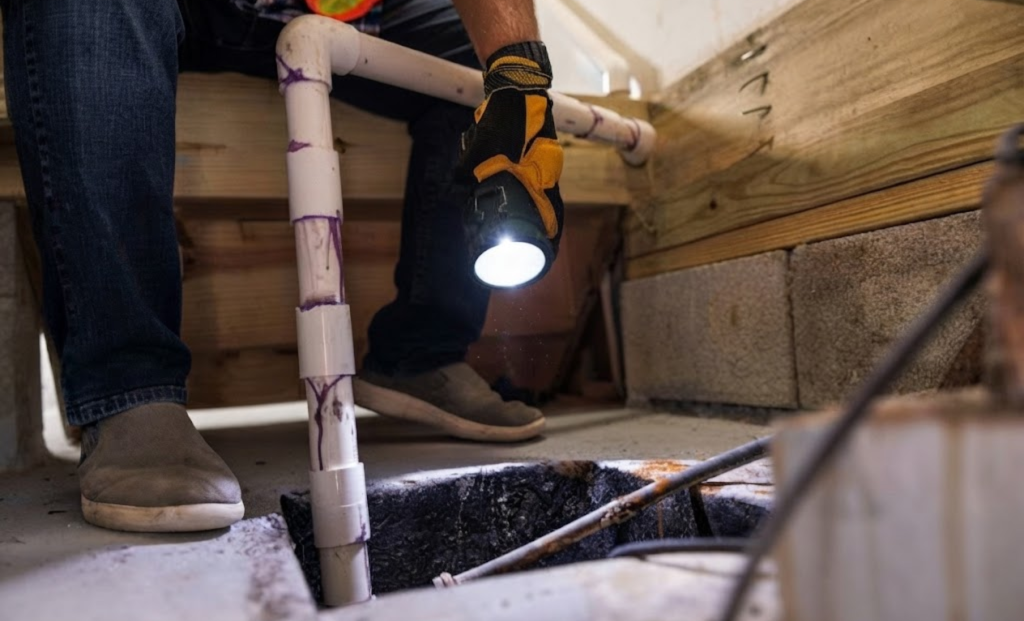
After an on-site inspection, we plan the pit location, cut and remove sections of the basement floor, connect your basement fixtures to the new system, and reroute the discharge. The floor is then restored. We handle permit paperwork and a final inspection as part of the job.
Why Chicago Basements Flood During Heavy Rain
Homeowners often ask whether a backflow valve in Chicago is enough. The honest answer: it depends on your home, your risk, and how you use your basement.
How a backflow valve works
A backflow valve (also called a backwater valve) is installed on your sewer line and closes when water tries to flow backward. It is a lower-cost option and works well in the right conditions.
Where a backflow valve falls short
- It has moving parts that need regular inspection and cleaning. Debris can prevent a full seal.
- While it is closed, basement fixtures generally cannot be used without risking sewage being trapped in your own pipes.
- It relies on the valve closing correctly, at the right time, during every storm.
Where an overhead sewer stands out
An overhead sewer keeps basement fixtures usable during a surcharge event and removes the dependence on a valve sealing in time. For finished basements, basement bathrooms, and homes that have already flooded more than once, many homeowners find the added protection worth the higher upfront investment. In some homes, we also recommend a backflow valve as an additional layer. Our plumbers will tell you plainly which option fits your property, even if that means the simpler one.
Building a Complete Flood Control System in Chicago
Sewer backup is only one way water enters a basement, so the best protection looks at the whole picture. A well-planned flood control system in Chicago can combine several measures, each handling a different risk:
- Overhead sewer or backflow valve to block sewer backup
- Sump pump with battery backup to manage groundwater
- Downspout and grading review to move roof and yard runoff away from the foundation
- Window well and drain inspection to close off smaller entry points
We do not sell add-ons your home does not need. During the assessment, we identify how water is actually getting in and recommend only what addresses it. This approach to basement flooding prevention in Chicago avoids the common trap of paying for a fix that does not match the problem.
Chicago Basement Flooding Rebate: What to Know Before You Start
Homeowners frequently ask about a Chicago basement flooding rebate. Programs have existed through the City of Chicago’s Basement Flooding Partnership and through some nearby suburbs, but eligibility rules, funding, and available amounts change over time.
Before you sign any contract:
Check current availability.
Call 311 or contact the City of Chicago Department of Water Management to ask which flood control or sewer backup programs are open for your address.
Ask about timing.
Some programs require approval or pre-inspection before work begins, so do not start the project first and apply later.
Keep your paperwork.
Save your permit, invoice, and inspection records. Program administrators often ask for them.
We are happy to provide the documentation your application may need. We cannot guarantee that any specific rebate will be approved, and we would rather you hear that up front than after the work is done.
Permits, Codes, and Doing It the Right Way
Overhead sewer conversion changes your home’s drainage, so it is regulated work. In Chicago, this type of project is done under a plumbing permit and inspected by the city. Rodding Rooter handles permitting, scheduling, and inspection coordination, so you are not left chasing paperwork.
Skipping permits can create problems later, from failed inspections to complications when you sell the home. Doing it correctly the first time protects both your basement and your property record.
How the Process Works With Rodding Rooter
On-site assessment
We inspect your basement plumbing, review how your home is connected to the sewer, and discuss your flooding history. If needed, we recommend a camera inspection of the sewer lateral to check for roots, breaks, or blockages that could add to the problem.
Written scope and quote
You receive a clear written scope of work with the equipment specified, so you know what you are paying for.
Permit and installation
We pull the permit, complete the conversion, test the system, and restore the work area.
Inspection and walkthrough
After the city inspection, we walk you through the system, show you the pump test, and explain simple maintenance so you know how everything works.
Permits, Codes, and Doing It the Right Way
Overhead sewer conversion changes your home’s drainage, so it is regulated work. In Chicago, this type of project is done under a plumbing permit and inspected by the city. Rodding Rooter handles permitting, scheduling, and inspection coordination, so you are not left chasing paperwork.
Skipping permits can create problems later, from failed inspections to complications when you sell the home. Doing it correctly the first time protects both your basement and your property record.
How the Process Works With Rodding Rooter
On-site assessment
We inspect your basement plumbing, review how your home is connected to the sewer, and discuss your flooding history. If needed, we recommend a camera inspection of the sewer lateral to check for roots, breaks, or blockages that could add to the problem.
Written scope and quote
You receive a clear written scope of work with the equipment specified, so you know what you are paying for.
Permit and installation
We pull the permit, complete the conversion, test the system, and restore the work area.
Inspection and walkthrough
After the city inspection, we walk you through the system, show you the pump test, and explain simple maintenance so you know how everything works.
Serving Chicago Homeowners
Rodding Rooter works with homeowners across Chicago, including [CONFIRM SERVICE AREAS: e.g., North Side, Northwest Side, Southwest Side, and nearby suburbs]. Every home has a different layout and sewer connection, which is why we start with an inspection rather than a one-size-fits-all package.
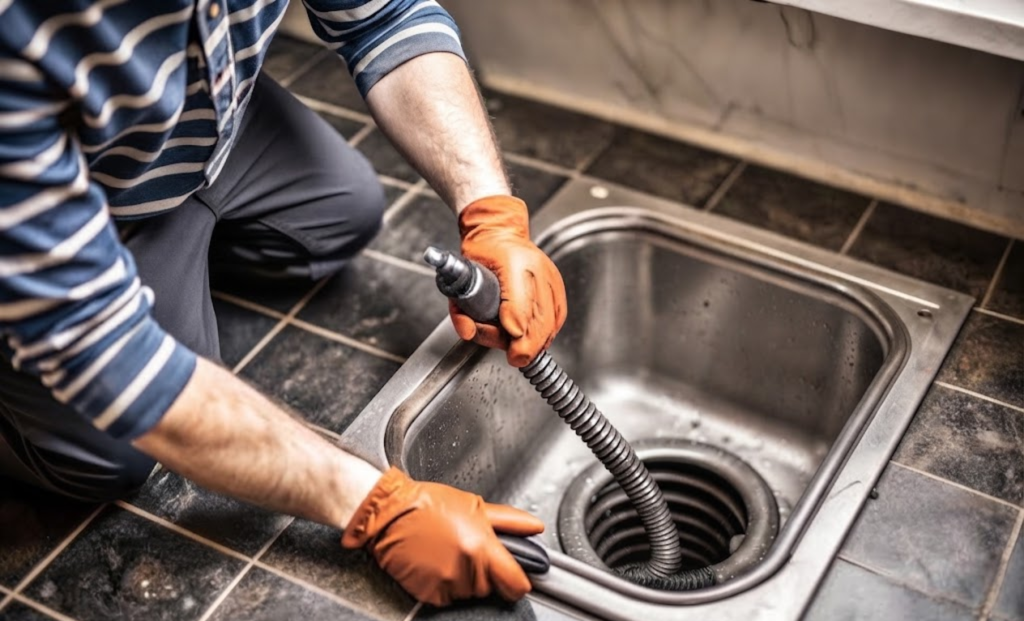
Already have a slow drain or recurring clogs? Our drain rodding service can clear the line and help us see whether it is contributing to your backup problem.
Get a Straight Answer About Your Basement
You should not have to guess whether your home needs an overhead sewer, a backflow valve, or something simpler. Rodding Rooter will inspect your plumbing, explain your options in plain language, and give you a written quote with no pressure.
Frequently Asked Questions About Overhead Sewer Conversion in Chicago
Overhead sewer conversion is a plumbing upgrade that reroutes basement drains into a sealed pit and pumps wastewater up to a line above the sewer surcharge level. This prevents street sewer backups from reaching your basement fixtures, even during heavy rain.
Basement fixtures drain into a sealed, vented ejector basin. A pump lifts the wastewater to an overhead line, which then flows by gravity into the sewer. A check valve stops water from returning, so a rising sewer level cannot push wastewater back into the basement.
For many homes, an overhead sewer offers stronger protection because it does not depend on a valve closing at the right moment and keeps basement fixtures usable. A backflow valve costs less and suits some properties. A plumbing assessment shows which fits your home.
Rebate and assistance programs have been offered through the City of Chicago and some nearby municipalities, but availability and amounts change. Call 311 or the Department of Water Management to confirm what is open for your address before starting any work.
Cost depends on basement layout, floor material, number of fixtures, pipe condition, and access. Because those details vary widely from home to home, a written quote after an on-site inspection is the only reliable way to know your price.
Yes. This work changes your drainage system, so it is done under a plumbing permit and city inspection. A licensed plumbing contractor should pull the permit and schedule the inspection on your behalf.
Most projects take a few days, depending on the size of the job, floor conditions, and inspection scheduling. Your plumber should give you a timeline in the written scope after inspecting your basement.
The ejector pump needs electricity, so a battery backup is strongly recommended. With a properly sized backup, the system can keep running during storm-related outages, which is exactly when backup risk is highest.
It stops flooding caused by sewer backup, which is one major cause. It does not address groundwater seepage, foundation cracks, window wells, or surface runoff. A full flood control plan covers each of those separately.