Drain Rodding Service in Chicago
When a drain backs up or a sewer line slows to a crawl, you need a drain rodding service that understands Chicago’s older pipes, hard winters and big parkway trees. We’ve spent years clearing clogged drains and sewer lines across the city, and our approach is simple: show up fast, find the real cause, and rod the line clean the first time.
Whether it’s a slow kitchen sink, a gurgling floor drain, or a full sewer backup in the basement, our experienced technicians arrive with commercial-grade rodding equipment ready to cut through grease, scale, sludge and roots.
What drain rodding is, and why it matters here
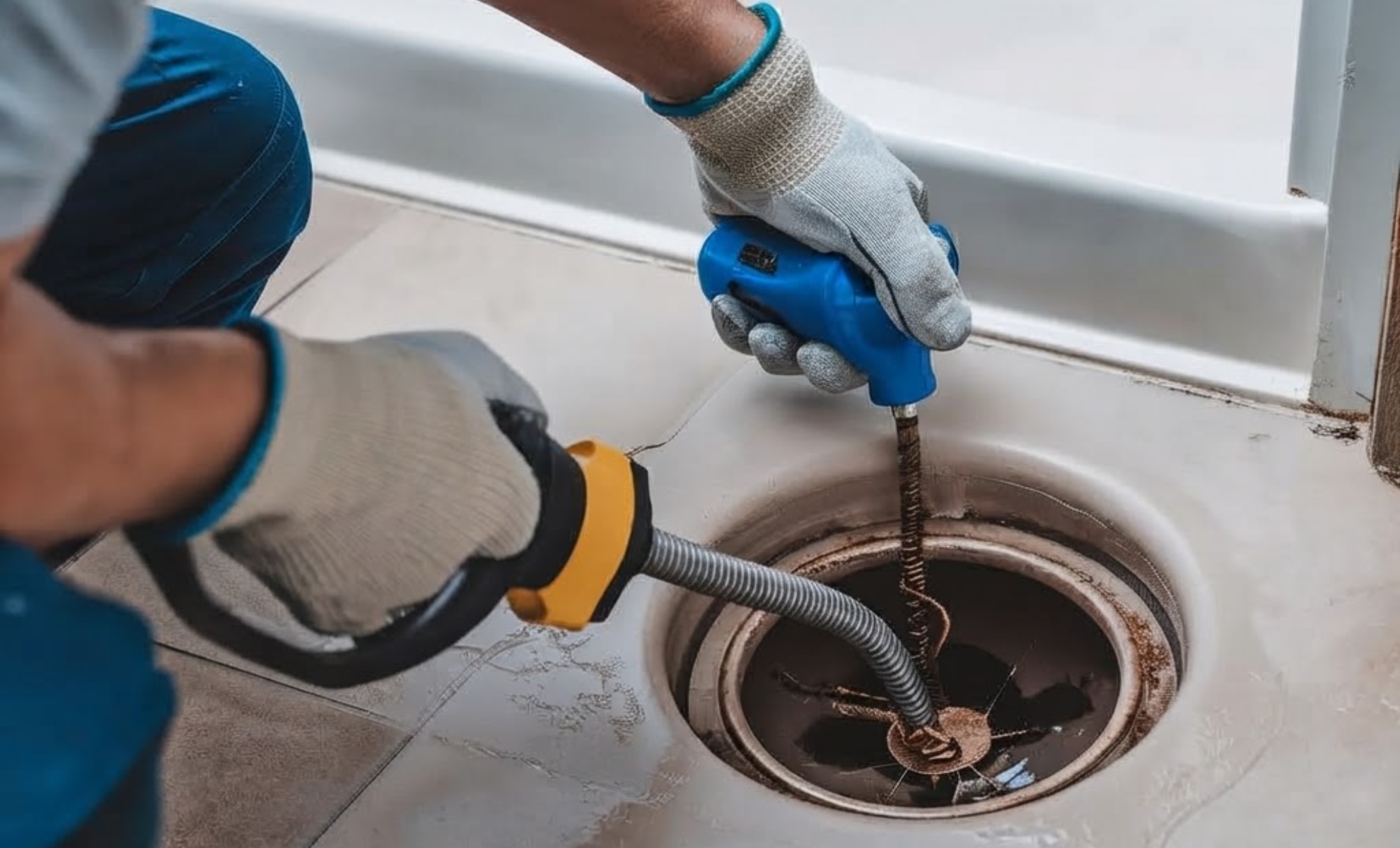
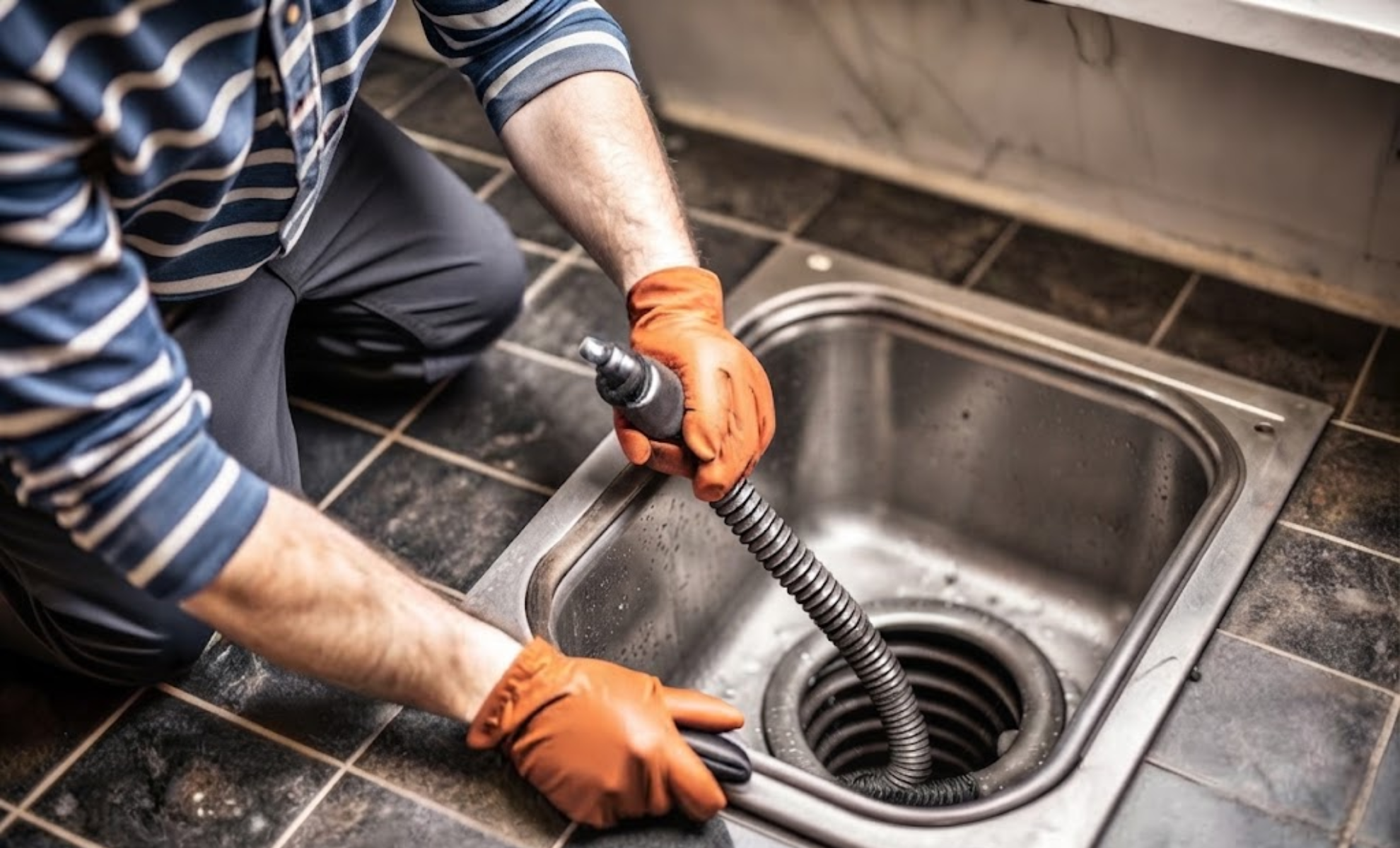
Drain rodding is a mechanical way of cleaning a pipe. A motorized machine feeds a flexible steel cable through the line, and the cable breaks apart whatever is blocking it. Unlike a plunger or a bottle of drain cleaner, it reaches deep into the pipe to cut through the kind of stubborn buildup that keeps coming back.
Chicago’s housing makes it especially useful. Many neighborhoods still run on clay or cast-iron sewer lines that are decades old, and mature parkway trees send roots straight toward those pipes looking for moisture. Add freeze-and-thaw winters that stress old pipe joints, and it’s easy to see why so many homeowners end up searching for a reliable rodding company at some point.
Signs you need rodding
- Slow sinks, tubs or showers that don’t improve with home remedies
- Gurgling from drains or toilets after you run water somewhere else in the house
- The same fixture clogging again, week after week
- Sewage odor near a floor drain, basement drain or outdoor cleanout
- Water coming up a basement floor drain or tub when the washing machine runs
- Several fixtures backing up at once, a strong sign the main line is blocked and not just one drain
If any of that sounds familiar, waiting rarely helps. A blocked main line can send raw sewage into your basement with almost no warning.
How a rodding visit works
Our drain rodding service is built around a few clear steps: figure out where the blockage is, get to it with as little mess as possible, clear it, and prove it’s gone.
We diagnose first
We ask about the symptoms, check the cleanouts we can reach, and work out whether the blockage is limited to one fixture or affecting the whole system.
We get to the line
We find the nearest cleanout, whether it’s inside the house, in the basement or outside, so we can reach the blockage without disturbing your property more than we need to.
We rod it
With a motorized machine, we feed a steel cable through the pipe, cutting through grease, sludge, scale and roots as it goes.
We confirm the flow
After rodding, we run water through the system to be sure the clog is fully cleared and wasn’t just pushed further down the line.
We tell you what we found
If we see roots, a bellied pipe or a collapsed section, we’ll say so, so you know whether this is a rodding job or something that needs a longer-term repair.
Power rodding for tougher blockages
Some clogs need more than a standard cable run. For heavy grease, thick root masses, or sewer lines that haven’t been serviced in years, we bring power rodding equipment with a stronger motor and heavier cable to cut through what a standard machine can’t move. It’s especially useful on:
- Grease-heavy kitchen lines in older homes and small commercial kitchens
- Sewer lines with established tree roots
- Cast-iron pipe with years of built-up scale
We size the equipment to the job. There’s no reason to bring heavier machinery than a line needs, and no reason to under-power a job that does need it.
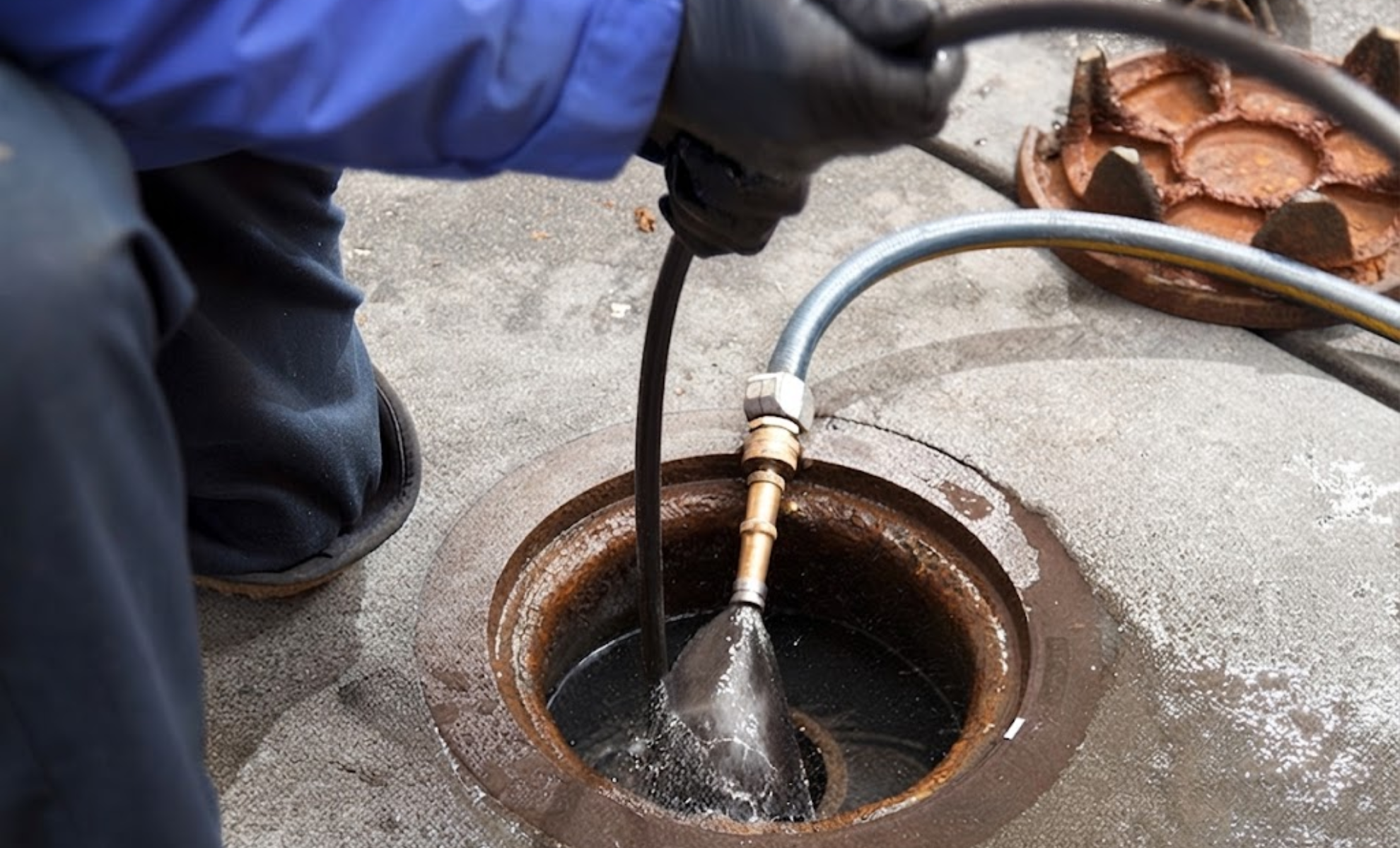
Main sewer line rodding
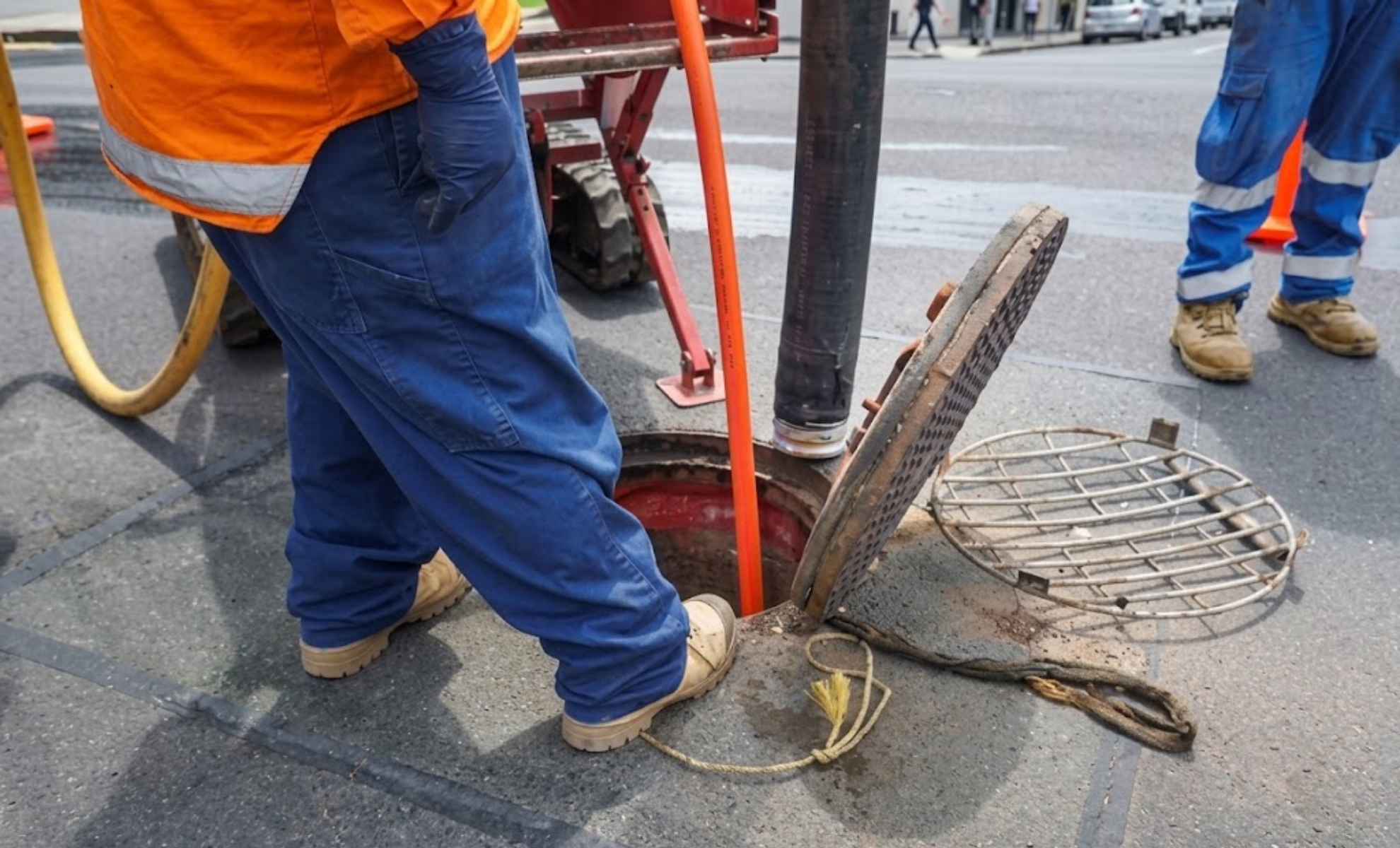
When the blockage isn’t just one drain but the line that carries wastewater from your house to the city sewer, you’re dealing with a main line problem. Rodding the main clears the full run from your cleanout to where it joins the public system, and restores flow to every fixture in the house at once.
This is usually the job when more than one drain is backing up, or when water comes up a basement floor drain whenever you run laundry or shower upstairs. We rod the whole length of the main and, where roots are heavy or keep returning, we can suggest a camera inspection to show you what’s happening underground before you decide what to do. More on sewer rodding.
Rodding for homes
Most of our calls come from homeowners dealing with everyday drain problems: kitchen sinks slowed by grease, bathroom lines clogged with hair and soap scale, basement floor drains that back up in heavy rain, and laundry lines that can’t keep up with a full load. We treat each call the same way: arrive on time, explain what we’re seeing, and clear the line without cutting corners.
We work in single-family homes, two- and three-flats, and apartment buildings throughout the city. That’s the housing Chicago is built on, and it’s what our equipment and experience are matched to. For one slow fixture, drain cleaning may be all you need.
Why Chicago homeowners choose us
Local experience
We know Chicago’s older sewer systems, how parkway tree roots behave, and which neighborhoods still have clay pipe.
Straight answers
We tell you what caused the clog and what it will take to fix it. No upselling a repair you don’t need.
The right equipment
From standard rodding to power rodding for heavier blockages, we match the machine to the line.
Respect for your property
We handle cleanouts carefully and clean up when the job is done.
Scheduling that keeps up
Drain and sewer problems don’t wait for business hours, and neither do we.
Where we work
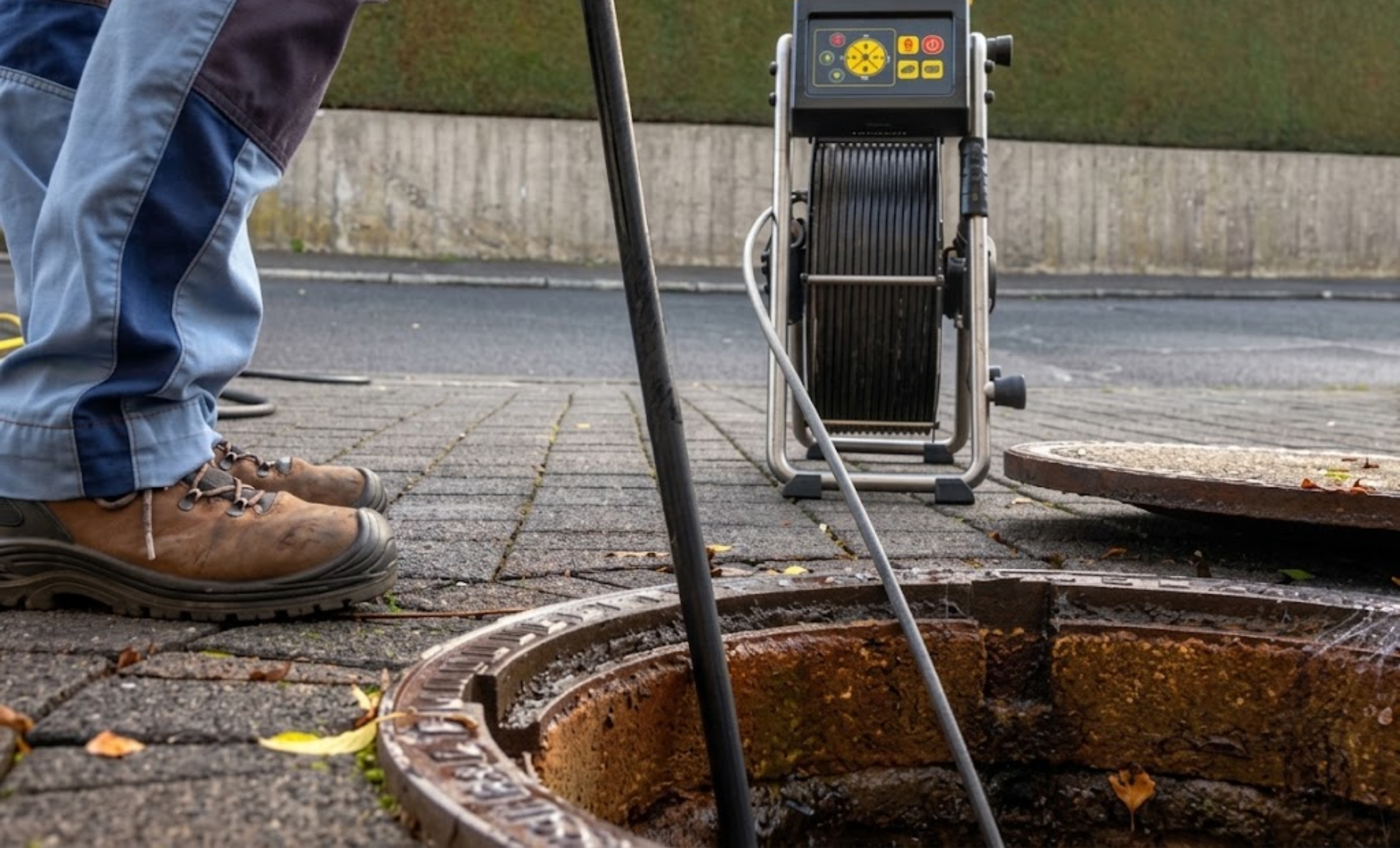
We provide drain and sewer rodding throughout Chicago and the surrounding area, for homes and small commercial properties in every part of the city. See the neighborhoods we cover on our service areas page.
Schedule drain rodding in Chicago
A slow drain rarely fixes itself, and a blocked main line only gets messier the longer it sits. Call (773) 588-1200 to schedule drain rodding, or reach out online and describe what you’re seeing. We’ll help you work out whether it’s a simple drain clog or a main line issue before a technician ever steps on site.
Drain rodding questions
It's a mechanical way of cleaning drains. A motorized machine feeds a flexible steel cable through the pipe to break apart and clear blockages like grease, sludge, scale and tree roots.
People often use the terms interchangeably, but rodding usually means a motorized machine with a heavier-duty cable that reaches further and cuts through tougher blockages than a hand-held snake.
If more than one fixture is backing up at once, or water comes up a floor drain when you run water elsewhere in the house, the blockage is likely in the main line and not one branch drain.
Yes. It's one of the most effective ways to cut through roots in a sewer line, and power rodding equipment is often used when the roots are thick or well established.
It depends on the age of the plumbing, nearby trees and past clogs. Homes with older clay or cast-iron lines and mature trees nearby often benefit from more frequent preventive rodding than newer homes with plastic pipe.
Yes, when an experienced technician picks the right cable and speed for the pipe material. A camera inspection can show the condition of an older line first if there's any doubt.
The most common causes are tree roots, grease and scale buildup, foreign objects stuck in the line, and structural problems like bellied or offset pipe in older sewers.
Most single-drain jobs take under an hour. A full main line job usually takes longer, depending on the length of the line and how bad the blockage is.
Yes. We respond to urgent drain and sewer backups across Chicago, since a blocked main line can quickly turn into a sewage backup if it's left alone.